Let's talk about the thing nobody mentions
Depression doesn't just steal your mood. It reaches into your body and turns off the switches. Desire vanishes. Arousal feels impossible. Touch becomes irritating instead of pleasurable. And then recovery starts, and you're supposed to jump back into sex like the past six months didn't happen. Except your brain knows it did, and your body is still catching up.
Here's what I see most often in my practice: people recovering from depression expect desire to flip back on like a light switch. When it doesn't, they think something is broken. They're not broken. They're healing. And that process looks different than you'd think.
Why depression flattens pleasure in the first place
Depression changes the neurotransmitters responsible for desire, arousal, and satisfaction. Dopamine and serotonin drop. The reward pathways in your brain go quiet. Even activities that used to light you up (including sex) feel flat, pointless, or too effortful to bother with. Your nervous system is stuck in a protective shutdown mode.
Add medication to that equation. Many antidepressants (particularly SSRIs) are notorious for numbing sexual response. Ironically, the thing helping your mood is making arousal harder. This isn't a failure on your part. This is neurobiology.
The physical symptoms are real too. Depression causes fatigue, low motivation, and sometimes pain. Touching yourself or being touched feels like another task on an endless to-do list. Sex becomes something you're supposed to want instead of something that feels good.
What recovery actually looks like (and it's not linear)
Depression lifts in layers, not all at once. Your mood might stabilize while your energy is still bottomed out. Your energy might return while numbness lingers. Pleasure is often one of the last things to come back, and it doesn't arrive on a predictable timeline.
This matters because most people give themselves a deadline. Three months on meds, you should feel better. Six months in recovery, you should want sex again. When that doesn't happen, shame creeps in. You're fine now, so why can't you just enjoy yourself? The answer is that your nervous system and reward pathways are still rewiring. Healing takes time.
The other thing I see is that people try to force pleasure too early. They think if they use a vibrator or have sex, it will feel good and snap them out of the numbness. Sometimes it does. More often, trying feels like failure. Nothing happens. You don't orgasm or feel much of anything. And then you feel worse, because now there's another thing you can't do.
How clitoral vibrators fit into recovery (the right way)
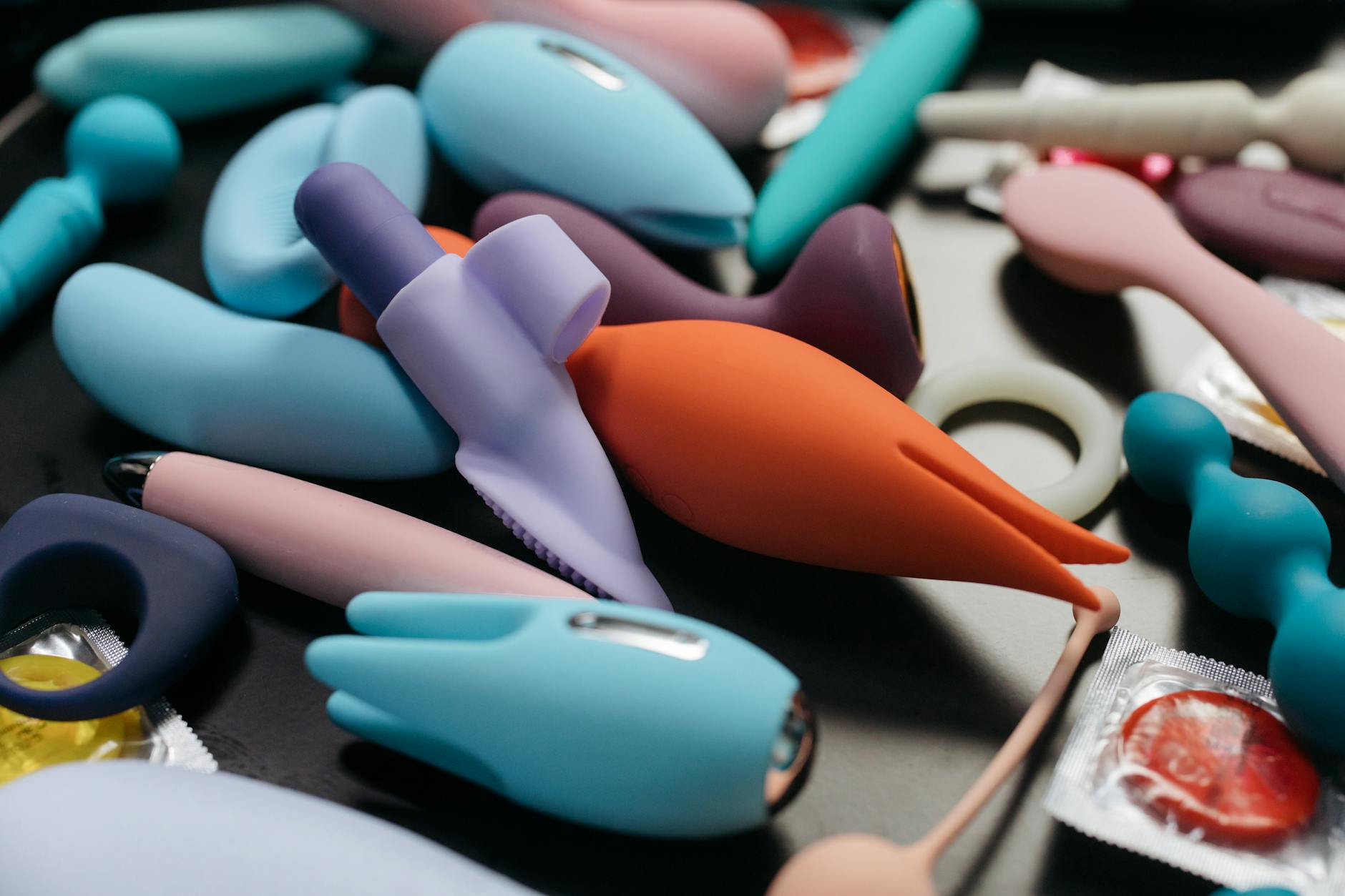
A good clitoral vibrator like the Lem doesn't try to force an orgasm out of you. That's the point. Lemon vibrators work with suction and gentle stimulation, which means you're not grinding against numbing. Instead, you're exploring sensation without pressure.
Here's how I recommend approaching it during recovery: not as a tool to achieve something (orgasm, arousal, proof that you're healed), but as a way to gently remind your body that pleasure is possible. Think of it as a conversation with your nervous system, not a performance.
Start small. A five-minute session where you're just noticing what you feel is a win. Numbness is expected. Mild sensation is progress. An orgasm is a bonus, not the goal. Most people recovering from depression spend weeks or months in the "mild sensation" phase before orgasms come back. That's normal.
The reason suction-based lemon clitoral vibrators work better than traditional vibrators during recovery is that they don't require the same intensity of sensation to feel something. Your nerves are still waking up. A gentle suction pattern on low gives feedback without overwhelming an already-sensitive nervous system.
The conversation with yourself you actually need
Before you pull out any vibrator, get clear on what you're doing. Are you trying to prove you're healed? Trying to enjoy yourself? Trying to satisfy a partner? The answer matters because it changes everything.
If you're trying to prove you're healed, stop. Pleasure isn't a metric for recovery. You can be mentally stable, functional, and off antidepressants while still experiencing sexual numbness for a while longer. That's not a setback. That's how brains work.
If you're trying to enjoy yourself, that's solid. But "enjoy" might look like "notice a faint warmth in my vulva" for a while. Lower the bar. Noticing sensation is enjoyment. Building a sustainable pleasure practice is enjoyment. Orgasms are bonus.
If you're doing this because a partner wants sex and you feel obligated, that's a different conversation. Pressure kills recovery. You need permission to go slow. Your partner needs to understand that pleasure returning is a sign of healing, not a requirement for intimacy to be real.
A practical starting point
Pick a day when you're not exhausted and have 10 minutes alone. No pressure to orgasm, no goal other than to notice what's there. Use a water-based lubricant even if you don't think you need it. Depression often dries things out, and lube removes friction, which is important when you're exploring gently.
Start on the lowest setting of your clitoral vibrator (if you're using the Lem, that's pattern 1). Spend two to three minutes just letting it sit against your vulva without moving it. Notice what you feel. Numbness is fine. Mild tingling is great. Pain is a signal to stop.
If you feel anything, adjust the position slightly and see if sensation changes. If you don't feel anything, that's also okay. Your nerves are still waking up. Come back in a few days and try again.
The point is repetition and gentleness, not breakthrough moments. You're teaching your body that pleasure is safe again. That takes time.
When medication is part of the equation
If you're on an antidepressant that's affecting sexual function, talk to your doctor before adjusting anything. Some doctors will suggest switching medications. Some will add a second medication to counteract the side effect. Some will recommend waiting a bit longer to see if numbness resolves on its own.
Here's what I tell my clients: medication that keeps you stable and functional is worth the sexual side effect. Untreated depression is far worse than delayed orgasms. But also, these conversations are worth having with your prescriber. There are options. You deserve to know what they are.
If your doctor isn't taking sexual side effects seriously, find a new doctor. This matters, and you're allowed to advocate for yourself.
Rebuilding with a partner (if that's your situation)
If you're in a relationship, the sexual disconnection from depression affects both of you. Your partner might feel rejected or confused. You might feel guilty for not wanting sex. This is a setup for shame on both sides.
The conversation that helps is the one that separates two things: your depression (not about them) and your sexual recovery (also not about them). You're rebuilding capacity for pleasure. That's not a rejection of your partner. That's a healing process. The best partners understand this and give you space to explore at your own pace.
If your partner wants to be involved, that's okay. But make sure it's your choice, not pressure. Pleasure built on obligation is just another thing depression uses to convince you that you're broken.
When pleasure starts returning (it will)
This is the part people don't expect. Once sensation starts coming back, it often comes back differently than before. Some people find their pleasure map has shifted. What felt good before might feel different. New sensations might spark interest.
This isn't bad. It's just healing. Your brain has rewired slightly. You've learned something about resilience. You get to explore pleasure from a new angle.
Most of my clients say that once they're fully recovered, they have a much clearer understanding of what they actually want from sex (versus what they thought they should want). Depression, oddly enough, can be a weird gift in that way. You come out the other side knowing yourself better.
The timeline nobody wants to hear
Full sexual recovery can take anywhere from three months to two years, depending on the depression's severity and your individual neurobiology. That's real. It's not something you can speed up by trying harder or getting better tools.
What you can do is stop fighting it. Stop waiting for normal to return and start building something new. Use a clitoral vibrator not as a proof of recovery but as one small part of learning how pleasure works in your post-depression body. That's actually recovery. That's the work.
FAQ: Questions people ask me (and answers that help)
Is it normal to feel nothing with a vibrator when I'm recovering from depression?
Completely normal. Depression numbs nerve pathways. As you heal, sensation returns gradually. Many people spend weeks feeling almost nothing before pleasure starts to register. Patience matters more than intensity. Keep exploring gently, without pressure.
Should I wait until I feel better to use a lemon vibrator?
No. Using a vibrator is part of the healing process. You're not "forcing" pleasure; you're creating space for your nervous system to remember that pleasure is possible. Think of it as gentle practice, not proof.
My partner is frustrated that I don't want sex. What do I say?
Your partner needs to understand that sexual desire is one of the last things to return in depression recovery. This isn't about them. You're healing your own nervous system. The conversation is: "I'm working on this. It's not about us. Here's what I need from you." Usually, that need is patience and no pressure.
Will antidepressants always kill my sex drive?
Not always. Some people switch medications and find a better fit. Some experience improvement over time. Sexual side effects are real and worth discussing with your prescriber, but a medication that keeps you stable is usually more important than perfect sexual function.
Can I use a clitoral vibrator if I'm still numb?
Yes. Numbness doesn't mean you'll hurt yourself. It means sensation is delayed. Go slow, use lube, keep sessions short, and notice whatever you do feel (even if it's just awareness that the vibrator is there). This is exploration, not achievement.
How long before orgasms come back?
It varies widely. Some people experience orgasms returning within weeks. Others take months. What matters is that you're not waiting for this as a milestone of recovery. Focus on sensation and pleasure returning first. Orgasms follow.
Moving forward
Recovering from depression is not a linear process, and rebuilding your sexual self is part of that larger healing. A clitoral vibrator can be part of your toolkit, but it's not the whole answer. Patience with yourself is the actual medicine.
You're not broken. You're healing. That takes time, and it's worth the wait. If you're struggling with this process or want guidance on rebuilding intimacy, reach out to us. We're here to support your recovery without judgment.