Let's talk about what trauma does to pleasure
Sexual trauma rewires your nervous system. It teaches your body that closeness equals danger, that vulnerability is a trap, that pleasure can be stolen. The tricky part? Your body doesn't distinguish between the person who hurt you and the person (or yourself) who's trying to help. Arousal becomes this impossible negotiation between desire and survival instinct.
Rebuild happens slowly, quietly, and almost always alone first.
Why solo exploration matters in recovery
When someone else is involved, your nervous system has competing signals to process. Is this safe? Is he trustworthy? Am I doing this right? Your brain splits its attention between pleasure and threat assessment. That's not healing. That's performing.
Solo pleasure is different because there's no audience, no performance, no one to disappoint or fear. You're the only person whose desire matters. You're the only person whose pace matters. That shifts something fundamental in the nervous system.
There's research on this, though it's limited. Trauma survivors who reported reclaiming pleasure through self-exploration showed measurably lower hypervigilance markers and higher parasympathetic tone (the "rest and digest" part of your nervous system that's almost always hijacked after trauma). They didn't move faster into partnered sex. They moved slower. But they moved with less fear.
How a clitoral vibrator changes the equation
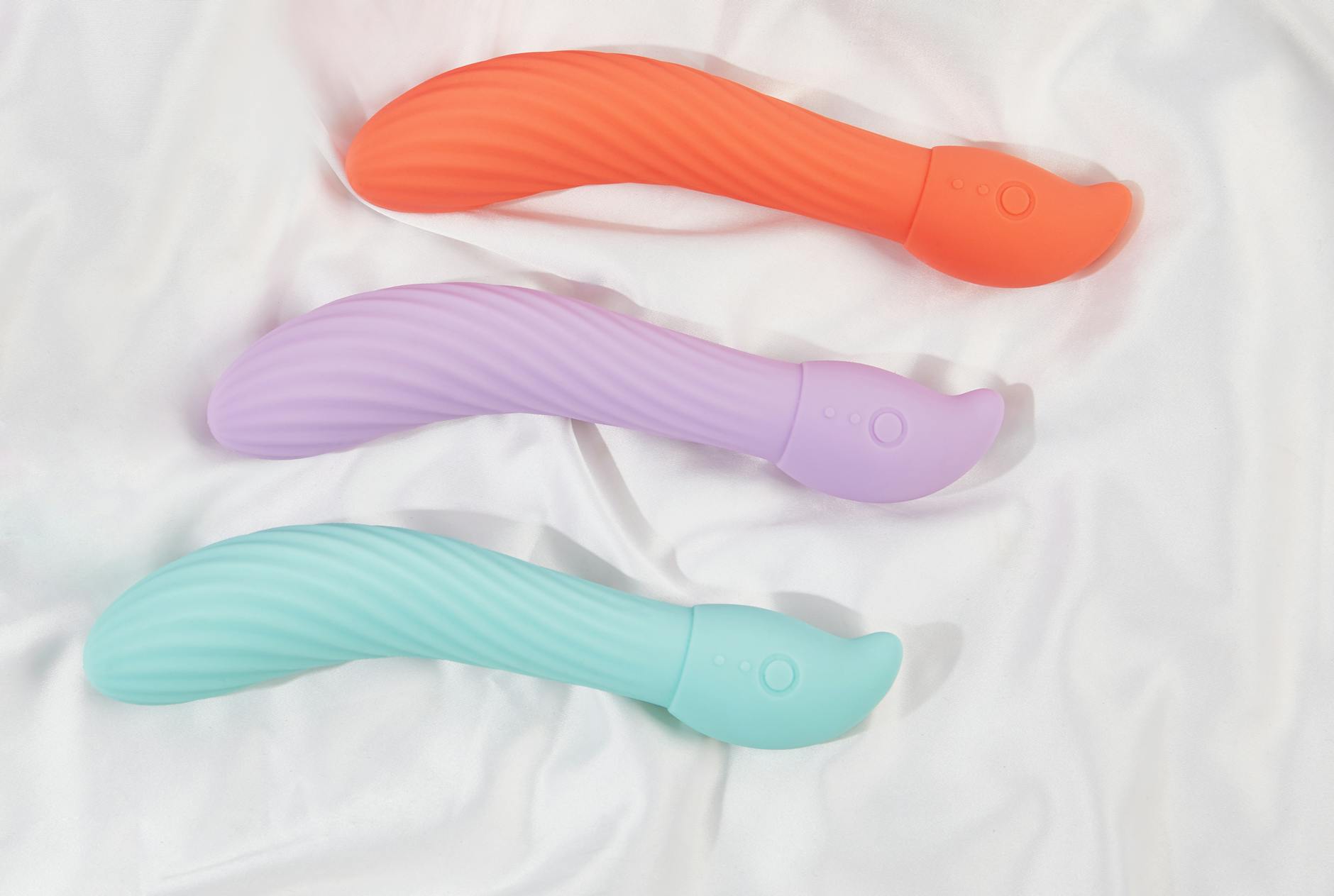
Lemon vibrators, particularly the suction-style design of something like the Lem, offer specific advantages for trauma survivors rebuilding pleasure.
First, control. You decide the pattern, the intensity, the moment it stops. Not your body's trauma response. Not a partner's rhythm. You. That agency alone rewires something in your threat-detection system.
Second, sensation without pressure. Trauma often creates conflicted feelings about touch. Suction-based clitoral stimulation (as opposed to direct vibration) feels less invasive. It's concentrated stimulation that doesn't require the sense of being "entered" or penetrated. For survivors of penetrative trauma, this distinction can be enormous.
Third, predictability. The Lem does the same thing every time. There's no surprise, no unexpected escalation, no moment where the stimulation shifts in a way you didn't consent to. For a nervous system that's learned to expect violation, predictability is medicine.
Fourth, privacy and ownership. You're not reliant on a partner's willingness, curiosity, or comfort. Your pleasure belongs entirely to you.
Starting when touch feels dangerous
Honestly, rebuilding pleasure after trauma isn't about using a toy "correctly" or reaching an orgasm quickly. It's about permission and patience.
Start with the vibrator off. Hold it. Look at it. Put it on the outside of your underwear and just feel the shape and weight. This is not wasted time. Your body is learning that this object is yours, that you control it, that it's safe. Many trauma survivors spend weeks here. That's not slow. That's exactly right.
When you're ready, use it outside your underwear, lowest setting, shortest duration. Five minutes. If that feels fine, try it again the next day. You're not building toward anything. You're training your nervous system that pleasure is safe because you control it.
The expectation of orgasm can actually sabotage healing. Orgasm often triggers a flood of feeling, vulnerability, or sometimes flash memories. You don't have to reach it. The goal is simple sensation. Positive sensation. Over and over, until your body believes that pleasure isn't dangerous.
What happens when your body starts to trust
After weeks or months of safe, solo exploration, something shifts. Survivors often report a moment where they realize they're not bracing. They're not scanning for danger. They're just here, feeling something good, and their nervous system isn't screaming at them to stop.
That's the actual moment of healing. Not the orgasm. That moment of safety.
From there, some people feel ready to involve a partner. Others find they're happiest exploring solo. Both are fine. The point isn't to get "back to normal" partnered sex. The point is to reclaim your body as your own, and to know, in a visceral way, that pleasure can be chosen rather than taken.
When to bring a partner in (and how)
If you have a partner and you're ready to reintroduce them, don't start with partnered sex. Start by showing them your clitoral vibrator and telling them how you use it. That conversation does something important: it shifts the dynamic from "partner performs pleasure for you" to "partner witnesses your pleasure as something you direct."
Some survivors find that having their partner present during solo use, without any pressure to participate, feels like a gentle bridge. Other survivors never want that and don't need it. Listen to what your body tells you. If your nervous system says no, that's data, not failure.
The role of a good therapist
If you're working through trauma, work with someone trained in trauma-specific therapy. EMDR, somatic experiencing, and CPT (cognitive processing therapy) have strong evidence bases. A good trauma therapist won't hand you a vibrator and say "have at it." They'll help you understand your specific nervous system responses, teach you grounding techniques, and help you build a safe framework for exploring pleasure.
Your therapist should also normalize this work. If they seem uncomfortable talking about clitoral vibrators or solo pleasure, find someone else. You deserve a provider who gets it.
The long view
Healing from sexual trauma isn't linear. You might have weeks where touching yourself feels easy, then weeks where it triggers a stress response. That's not backsliding. That's the nervous system doing what it was trained to do. The healing isn't about erasing those responses. It's about learning to move through them with self-compassion.
Clitoral vibrators like the Lem are just tools. But they're tools that give you back something vital: the knowledge that your pleasure belongs to you, that your body can feel good, and that you get to decide when, how, and whether that happens. That's not a small thing. That's everything.
People also ask
Is it normal to feel triggered when using a vibrator after sexual assault?
Completely normal. Your nervous system learned to associate certain sensations with danger. That association doesn't disappear because you want it to. If you feel triggered, pause. Breathe. Ground yourself in the present (what you see, hear, feel that's safe right now). This is why starting slowly and working with a therapist matters. Triggering isn't failure. It's your body communicating that it needs more time or a different approach.
Can a lemon clitoral vibrator help with numbness after trauma?
Yes, often. Trauma survivors frequently report emotional numbing or dissociation during sex. The specific, predictable stimulation of a clitoral vibrator can help you stay present in your body. The Lem's suction pattern is particularly helpful because it requires your attention. You feel it, notice it, stay with the sensation. Over time, this builds your capacity to stay present rather than dissociate. That's the foundation for all other healing.
How long does it take to feel comfortable with pleasure again?
It varies wildly. Some survivors reclaim comfort in weeks. Others take years. Healing isn't a race. The goal isn't to get back to a version of yourself from before the trauma. It's to build a new relationship with pleasure that feels authentic and safe in your current nervous system. That's worth the time it takes.
Should I tell my partner I'm using a vibrator for trauma healing?
That depends on your relationship and your needs. If you have a partner you trust, telling them can shift the dynamic in a healing way. It removes secrecy and shame, and it frames your pleasure as part of your recovery, not as a threat to the relationship. But if you don't feel safe sharing, don't. Your solo pleasure is yours alone. You don't owe anyone access to it.
Can vibrators make healing harder if I use them to avoid processing emotions?
Yes. If you're using a vibrator to numb out or escape difficult feelings, that's a sign to pause and check in with a therapist. Healing clitoral vibrators are about presence and safety, not dissociation or avoidance. The difference is internal: are you moving toward your body and pleasure, or away from pain? A trauma-informed therapist can help you tell the difference.
What if I don't feel anything when I use a vibrator?
Patience. Numbness is a common trauma response. Your nervous system has learned to shut down sensation as a protection. Healing that requires time and consistency. Use the vibrator regularly, even if you feel nothing. You're not trying to feel pleasure yet. You're teaching your body that sensation is safe. The feeling comes later.
Your healing is yours alone
There's no timeline for rebuilding pleasure after sexual trauma. There's no right way to do it. The only metric that matters is this: Does this feel safe to you right now? If yes, continue. If no, pause. That's the whole practice. Your body, your pace, your rules.