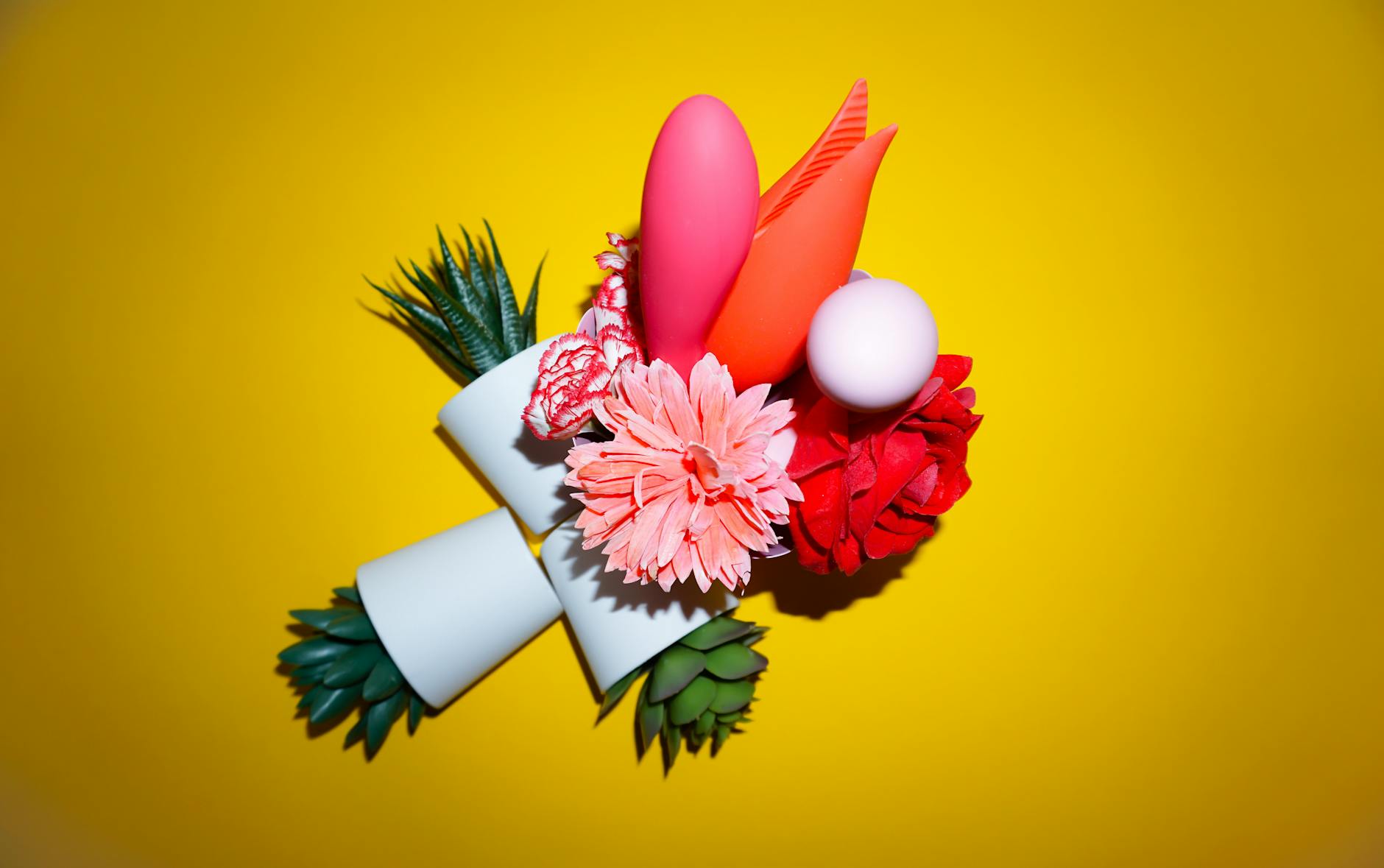
How to choose the right lemon vibrator for your sensitivity level
Let's be real: not every vibrator works the same way on every body. Your clitoral sensitivity exists on a spectrum, and choosing a lemon vibrator that matches where you actually are—not where you think you should be—changes everything.
I see this constantly in practice. Someone buys a toy based on reviews or because a friend loved it, and it either feels overwhelming or underwhelming. Then they assume they're "broken" or "not responsive enough." What's actually happened is a mismatch between the toy's output and their nervous system's baseline.
Here's what you need to know to pick a lemon vibrator that works for your body, not against it.
Understanding your baseline sensitivity
Your sensitivity isn't fixed. It changes with your cycle, your stress level, medication, arousal, and age. But you do have a baseline—the threshold where stimulation starts to feel good versus where it feels too much, too sharp, or numb.
Think of it like volume on a speaker. Some people have naturally lower volume tolerance. Others can handle maximum for hours. Neither is better. They're just different, and vibrators come in different "volumes."
The Lem vibrator, for example, uses gentle suction rather than direct vibration. This matters enormously for sensitivity. Suction distributes stimulation across a wider area and feels less intense than concentrated vibration against tissue. If you tend toward oversensitivity or have experienced pain with traditional vibrators, a suction-based lemon vibrator often feels like a completely different experience.
Conversely, if you find that gentle stimulation doesn't register, you might need something with more direct intensity or a combination of patterns.
Pattern variety matters more than raw power
Here's what most people get wrong: they assume intensity equals vibration speed. They don't.
A lemon vibrator with five different patterns at a moderate speed often delivers more satisfaction than one with a single pattern at maximum power. Why? Because your nervous system adapts. The same steady vibration becomes background noise after a few minutes. Variation keeps your attention.
When you're choosing a lemon clitoral vibrator, look for:
- Pulse patterns (rhythm that builds and drops) rather than constant buzz
- Escalating patterns (intensity that ramps up over time)
- Customizable controls so you can adjust speed and pattern mid-session
- Layerable sensations (suction combined with vibration, for instance)
Something with three solid patterns often beats something with ten mediocre ones. You want patterns that feel distinct from each other, not just minor variations.
Material and design affect how sensitivity reads
Not all lemon vibrators are created equal, and the material changes everything.
Silicone (the gold standard) is body-safe, easy to clean, and creates a different sensation than plastic. Silicone has a slight give to it, which distributes pressure more evenly. For sensitive bodies, this matters.
The shape also shifts how you experience intensity. A narrow tip concentrates stimulation into a small area. A wider head distributes it. If you have high sensitivity, a design with better surface distribution (like the suction-based approach in lemon vibrators) often feels better than a tiny point.
Air-pulse or suction-based lemon adult toys also tend to feel less "buzzy" and more like a massage or gentle pulling sensation. This is why they've become popular for people who've had painful experiences with traditional vibrators.
The difference between sensitive and numbing issues
There's a crucial distinction most guides skip: hypersensitivity (everything feels like too much) and desensitization (you need more and more to feel anything) are solved by different approaches.
If you're hypersensitive:
You want a lemon vibrator with lower starting intensity, gentle patterns, and good control. Suction-based designs let you layer—start with suction alone, then add gentle vibration. You're building sensation incrementally.
Always start at the lowest pattern first. Let your body warm up. Use external stimulation for longer before moving inward. A 10-minute session matters more than a 60-second maximum-intensity burst.
If you're desensitized or have numbness issues:
You need variety. Mixing pattern types, switching between external and internal stimulation, or rotating between different lemon vibrators keeps your nervous system engaged. You're not trying to brute-force sensation; you're preventing adaptation.
Take breaks between sessions. Overuse actually makes desensitization worse, not better. Two sessions a week with variety beats daily use with the same vibrator.
Age and hormonal shifts change everything
If you're exploring lemon vibrators after 40, or navigating menopause, your sensitivity baseline has likely shifted. This is normal and manageable.
After menopause, tissue becomes thinner and more sensitive to friction, so vibrators that distribute pressure widely (again, suction-based designs) often feel better than ones that concentrate stimulation. Ironically, even though tissue is more fragile, many people find they can handle longer sessions because the sensation is distributed rather than concentrated.
If you're on hormonal birth control, antidepressants, or blood pressure medication, these can dampen sensation. You might need a lemon vibrator with more pronounced patterns or better control so you can dial in exactly what you need.
Your partner can also matter here. Working with another person's touch alongside a clitoral vibrator changes everything. If you're exploring lemon vibrators with a partner, communication and going slowly are non-negotiable.
How to test before you commit
You can't return a vibrator, so choosing wisely upfront saves frustration.
Read reviews by people like you. If someone says "too intense for me" and you identify as sensitive, that's real data. If they say it took 20 minutes to charge and that bothered them, figure out if that matters to you.
Start with a trusted brand. Hello Nancy builds lemon vibrators and other clitoral vibrators specifically engineered for different body types. Starting with a brand that understands sensitivity variation beats guessing.
Consider a multi-purpose device. Lemon sexual toys designed for multiple uses (external and internal, suction and vibration) give you more range. If you're not sure where your sensitivity sits, something versatile lets you explore without buying three toys.
Budget matters, but not the way you think. An expensive vibrator from a brand that doesn't understand sensitivity is worse than a mid-range lemon vibrator from a company that does. The difference between a $65 toy and a $150 toy often isn't intensity or durability. It's thoughtful design for real bodies.
The conversation with your partner (if applicable)
If you're in a relationship, introducing a lemon vibrator isn't about replacing anything. It's about adding information to the system.
Mention it before you bring it into the bedroom. "I'm exploring what works for my body, and I want to include you" is a completely different opening than surprise-introducing a toy mid-intimacy.
Many partners worry that a vibrator means they're not "enough." They're not. Your body's sensitivity profile exists independently of their skill or effort. A lemon clitoral vibrator is data collection, not a referendum on your relationship.
Once you're using a toy together, that conversation shifts to practical stuff: which patterns feel good, what intensity you like, whether you want external stimulation, internal, or both. That's the kind of specificity that deepens connection.
You might discover that knowing exactly what you like makes you better at communicating it without the toy, too. That's a win everywhere.
Testing sensitivity in the moment
You've picked a lemon vibrator. Now you're using it. Here's how to dial in the right intensity in real time.
Start at the lowest setting. Let your body warm up for at least 5 to 10 minutes before increasing intensity. You'll be surprised how much sensation registers once you're actually aroused.
If something feels uncomfortable or sharp, stop. That's data. You're not being a quitter; you're learning what your body needs. Try a different pattern, lower the intensity, or switch to a different area (internal, external, side to side).
Notice what changes your sensitivity mid-session. Arousal increases sensation tolerance, so something that felt too much at the start might feel perfect after 15 minutes. Fatigue decreases it. Stress numbs it.
The lemon vibrator isn't a fixed stimulus. You're a variable system. Work with that, not against it.
FAQ
What's the difference between a lemon vibrator and other clitoral vibrators?
Lemon vibrators often use suction or air-pulse technology rather than direct vibration. This distributes stimulation across a wider area instead of concentrating it into a single point. For sensitive bodies, that means more control and less likelihood of overstimulation. For people who've found traditional vibrators painful or numbing, lemon clitoral vibrators are often a breakthrough. The sensation feels more like massage or gentle pulling than buzzing.
Can I use a lemon vibrator if I'm very sensitive?
Yes, often better than traditional vibrators. Start at the lowest setting. If your lemon vibrator has a suction-only option, begin there before adding vibration. The distributed pressure of suction-based design is often easier on sensitive tissue than concentrated vibration. Take your time with warm-up, and don't assume you need maximum intensity. Many sensitive people find their most satisfying sessions at moderate speeds with varied patterns.
How do I know if a lemon vibrator's intensity is right for me?
You should feel pleasure without pain or numbness. If it feels overwhelming or sharp, it's too intense. If you feel almost nothing after 5 to 10 minutes of consistent use, it might be too gentle for your baseline sensitivity. The right intensity feels like sustained pleasure that builds over time, with patterns that keep your attention. Start low and increase only if you want more, never because you think you "should" be using it at maximum.
Does sensitivity change with my menstrual cycle?
Absolutely. Most people find they're more sensitive in the follicular phase (right after their period) and less sensitive during the luteal phase (before their period). Hormones shift your baseline. This is why a setting that felt perfect on day 7 of your cycle might feel wrong on day 21. Keep your lemon vibrator adjustable so you can meet your body where it actually is, not where it was last week.
Should I choose a lemon vibrator or a different type of clitoral vibrator?
It depends on your sensitivity and what you've tried before. If traditional vibrators have felt too intense, numbing, or painful, a lemon vibrator's suction-based approach is worth trying. If you've never used any vibrator and aren't sure about your sensitivity, look for something with adjustable intensity and multiple patterns so you can explore. When you're unsure, versatility is your friend. Check out the buying guide for detailed comparisons.
Can men use a lemon vibrator?
Yes. While lemon vibrators are designed with vulva anatomy in mind, people of any gender can use them. Some men use them for partner play or for their own pleasure. The suction-based design works on any sensitive tissue. If this is new territory, start with the same principle: low intensity, patient warm-up, and good communication if a partner's involved.
How do I know if I'm desensitized or just not interested?
Desensitization is specific: you want sensation but need more and more to get there. Lack of interest is different. You're not aroused, don't want to be, or have other stuff going on. These need different solutions. Desensitization responds to variety, breaks between sessions, and sometimes changing vibrators or patterns. Lack of interest often points to stress, relationship dynamics, or other life factors. Don't assume a lemon vibrator fixes everything. Sometimes the issue isn't sensitivity; it's circumstances.
Find what works for you
Choosing the right lemon vibrator is less about "the best" and more about "the best for your body, right now." Your sensitivity is information, not a limitation. Use it.
Start with a brand that understands bodies—one that offers adjustable intensity, good patterns, and design that accounts for different sensitivity levels. Test thoughtfully. Notice what changes your baseline. Adjust accordingly.
Your pleasure deserves a tool that matches your actual nervous system, not some idealized version of sensitivity you think you should have. That precision is where the real satisfaction lives.
If you're still uncertain about which lemon vibrator or clitoral vibrator is right for you, the team at Hello Nancy can help. Reach out through our contact page, and we'll walk you through it based on your actual needs.