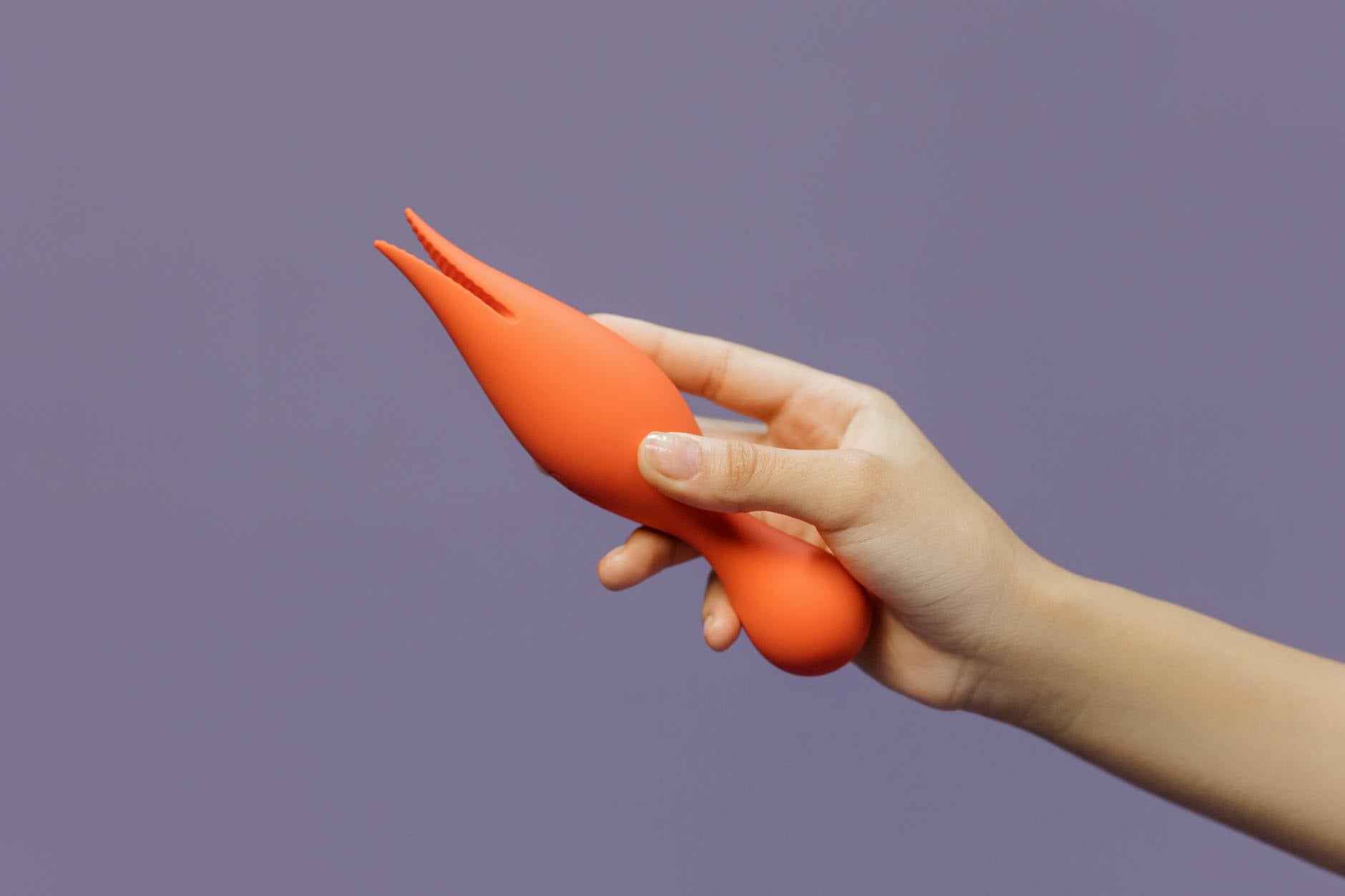
Let's be real: your body at 40-plus is not the same as at 25
And that's not a loss. It's information. The tissues are different. Arousal takes longer. What felt perfect at 30 might feel intense now. These shifts aren't failures. They're invitations to learn how to use tools like lemon vibrators differently, smarter, and often better.
I've worked with hundreds of people navigating this exact territory. The ones who thrive aren't the ones pretending nothing changed. They're the ones willing to adjust.
Why lemon vibrators work particularly well after 40
Lemon clitoral vibrators, especially air-suction designs, use a gentler stimulation pattern than traditional vibration. Instead of direct friction against tissue that may have thinned or become more sensitive, the suction creates a seal and a rhythmic pulse. For bodies experiencing shifts in tissue thickness, hormonal changes, or increased sensitivity, this approach is genuinely protective and often more pleasurable.
The Lem, for instance, was designed with this in mind. It's quieter than a traditional vibrator, which means you're not fighting noise while trying to focus on sensation. It also allows you to build intensity gradually. You're not locked into a single frequency. You control the conversation between your body and the toy.
The warm-up is no longer optional
Here's what changes after 40: arousal takes longer. This isn't a problem. It's a fact worth honoring. Before you reach for any clitoral vibrator, spend 15-20 minutes on foreplay, solo exploration, or just letting your mind settle into desire. Read something that interests you. Touch yourself without the toy. Let blood flow to the area naturally.
Tissue that's been getting less estrogen (whether from menopause, hormonal shifts, or just aging) responds better to gradual engagement. Rush the warm-up and you might feel discomfort or numbness. Give it time and you'll find sensation is often sharper than you remember.
Start with patterns 1 or 2 on your lemon vibrator. Intensity can climb. It doesn't have to begin there.
Lubrication is your actual best friend
I'm going to say this clearly: using a lube with a clitoral vibrator after 40 is not weakness or proof something is wrong. It's smart anatomy. Thinner tissue benefits from a wet environment. Water-based lube (silicone-based will damage silicone toys) creates a buffer that lets the vibrator glide smoothly without micro-abrasions.
Apply lube generously to your vulva before you start. Reapply if things begin to feel dry. You're not fixing a problem. You're optimizing the experience. Honestly, most people under 40 would also have a better time with lube. We're just taught it's optional. It's not.
Positioning and pacing are the secret moves
After 40, the angle matters more. Some people find that angling the lemon vibrator downward (toward the vaginal opening) rather than straight-on creates a fuller sensation. Others prefer the classic straight approach. The only way to know is to experiment.
Many bodies also benefit from holding the vibrator in place without constant motion. With air-suction tools especially, you often don't need to move it. The pattern does the work. Let it sit. Breathe. Notice what's happening. This is a massive shift from the "press it and move it" approach that worked at 25.
Pacing is also different. An orgasm might take longer to build. That's not frustrating if you expect it. It's actually often more intense when it arrives because the buildup has been substantial.
When sensitivity tips into discomfort
If you're using a lemon vibrator and feeling sharp pain, stinging, or rawness, stop immediately. You might be pressing too hard, moving too fast, or skipping the lube. But sometimes the issue is more specific.
Genital tissue can become sensitive to friction after 40 due to hormonal shifts, yeast infections, or dermatological changes that have nothing to do with the vibrator itself. If discomfort persists across multiple sessions, it's worth checking in with a gynecologist. Conditions like lichen sclerosus or genitourinary syndrome are treatable and common. Get it looked at instead of white-knuckling through discomfort.
Building the habit into your routine
Many people find that pleasure becomes more accessible when it's not something you squeeze into a partner encounter. Solo sessions with a lemon clitoral vibrator, even just 10-15 minutes a few times a week, actually rewire your nervous system's capacity for arousal. You're reminding your body what sensation is. You're proving to yourself that orgasms are still happening. You're building confidence that pleasure didn't vanish at 40. It just asked for different conditions.
If you're partnered, this solo time isn't a replacement. It's research. You're learning what feels good now. Then you can guide your partner (or explain it to them in writing if words feel awkward). "When we have time together, I'd like 20 minutes of warm-up before we engage" is information, not rejection.
The mental shift matters as much as the physical one
I work with couples and individuals where the real barrier to pleasure after 40 isn't the body's capacity. It's the story in their head. "I'm too old for this." "My body doesn't do this anymore." "Something is wrong with me." These narratives are the actual problem.
Your clitoral nerve endings didn't disappear. Your capacity for orgasm didn't vanish. What changed is tissue thickness and blood flow speed and hormone levels. Those are solvable with the right approach. A lemon vibrator with its gentle suction pattern is literally designed to meet bodies where they are now.
The people I work with who report their most satisfying sexual experiences after 40 share one thing: they stopped comparing their current body to their past body and started asking what this body needs. That question changes everything.
FAQ
How often should I use a lemon vibrator after 40?
There's no ceiling. Some people use lemon clitoral vibrators several times a week. Others prefer once weekly. The honest answer is whatever feels good without creating friction (physical or emotional) in your life. Regular use actually helps maintain tissue health by increasing blood flow, so more frequent use is often better for bodies experiencing hormonal shifts.
Does vibrator use decrease sensation over time after 40?
This is a common worry and largely a myth. Your nerve endings don't go numb from vibrator use. What can happen is that you become accustomed to a specific pattern if you use the exact same setting every single time. Switch it up. Try different patterns on your lemon vibrator. Take breaks. Your body will stay responsive.
What if I can't feel much with a lemon vibrator anymore?
First, check the obvious: are you warmed up enough? Have you used lube? Is your pelvic floor relaxed (not tensed)? Often the issue is one of these basics. If you've nailed those and still feel muted, it could be hormonal. Dropping estrogen genuinely can affect nerve sensitivity. A conversation with your doctor about topical estrogen or other treatments might help. It's not a personal failing. It's physiology.
Are lemon vibrators loud enough to bother a partner?
No. Lemon suction-style vibrators are significantly quieter than traditional vibrators. The Lem, for instance, produces a soft hum, not a loud buzzing sound. Many partners don't even hear it from outside the bedroom door. This matters for people who've been self-conscious about noise.
Can I use a lemon vibrator during partnered sex after 40?
Absolutely. Some couples find that adding a clitoral vibrator to shared time is the difference between okay sensation and real pleasure. You might use it on yourself while your partner enters you vaginally. You might use it before partnered activity to warm up faster. You might hand it over and let them try. The shape and quietness of a lemon vibrator makes this more practical than many other toys.
What's the difference between a lemon vibrator and other clitoral vibrators for bodies over 40?
The main difference is the stimulation method. Lemon clitoral vibrators typically use air suction (a gentler pulse) rather than direct vibration against sensitive tissue. This is particularly good for bodies with thinner tissue or heightened sensitivity. They're also usually smaller and quieter, which changes the experience mentally and logistically. Try reading about how lemon vibrators work better for sensitive clits to understand the full picture.
The bottom line
Your body after 40 isn't broken. It's updated. It needs different conditions to access pleasure, but those conditions are simple: time to warm up, lubrication, a toy designed with sensitivity in mind, patience with pacing, and permission to explore what feels good now instead of mourning what worked at 25.
Lemon vibrators are particularly well-suited to this chapter of life. They're gentle. They're responsive. They give you control. If you've been hesitant to revisit pleasure because you've heard "it's harder after 40," I'm here to say that's incomplete information. It's different. Different often means better, once you adjust.
If you're still figuring out what approach works for your body, start with the basics. Warm up longer. Use lube generously. Begin at low intensity. Notice what feels good. Adjust from there. And if something still feels off after a few intentional tries, talk to someone. A gynecologist, a sex therapist, or a relationship coach who specializes in this exact territory.
Your pleasure matters. Your body at 40-plus deserves attention and care. A lemon clitoral vibrator is a tool that meets you where you are.
Related reading
If you're exploring how your body has changed, you might find it helpful to read more about why lemon vibrators work better for sensitive clits and how different lemon adult toys suit different body types and sensitivity levels. Understanding your specific needs makes choosing the right tool much easier.