
When desire doesn't match, resentment creeps in
Let's be real. One of you wants sex twice a week. The other wants it twice a month. Nobody's broken. Nobody's doing anything wrong. But the partner with lower desire starts avoiding intimacy altogether because it feels like pressure, and the partner with higher desire starts feeling rejected. The vibrator becomes invisible in all of this. What actually matters is the conversation underneath.
A lemon clitoral vibrator like the Lem can't fix a mismatch in desire. But it can change the texture of how you approach it. Here's why that matters.
The real problem isn't the difference in libido
Mismatched desire is normal. It's also almost never about the person with lower desire not loving their partner or not being attracted to them. Usually it's about one of three things: stress, touch deprivation, or fear of obligation.
Stress flattens desire faster than almost anything else. If one partner is managing a high-pressure job, caregiving responsibilities, or health issues, their libido drops. That's not preference. That's survival mode. The other partner interprets it as rejection when it's actually depletion.
Touch deprivation is different. Some people need regular affection and nonsexual touch to feel connected. Without it, sex feels transactional instead of intimate. A lemon vibrator doesn't fix this, but it creates a new context where touch and pleasure can happen together without the pressure of full partnered sex.
Fear of obligation is the worst one because it usually stays hidden. The lower-desire partner agrees to sex to keep the peace, resents it silently, and then pulls away further. The higher-desire partner feels the coldness and pushes harder. The cycle gets worse every month.
How a lemon vibrator changes the conversation
When you introduce a lemon clitoral vibrator into this dynamic, you're not asking your partner to want sex more often. You're creating a space where pleasure can happen on different terms.
For the lower-desire partner, a vibrator can mean shorter sessions. They might orgasm more easily, which removes the performance pressure. There's no obligation to wait for their body to catch up with their partner's timeline. The Lem's air-suction technology means less direct friction and more targeted sensation, which many people find easier to enjoy without overthinking it.
For the higher-desire partner, introducing a vibrator is permission to stop trying to manufacture desire in their partner. They can participate in pleasure together without needing it to turn into penetrative sex. This is not a consolation prize. This is actual intimacy, just configured differently.
The key shift: sex becomes something you do together instead of something one person pursues and the other tolerates.
Starting the conversation without making it weird
Don't lead with "I bought a vibrator because you don't want me enough." That will backfire spectacularly.
Instead, start with curiosity about what your partner actually enjoys. Ask when they last felt genuinely turned on, not obligated. Ask what gets in the way. Listen without defending. You might hear something like "I feel touched out after the kids are asleep" or "Sex feels rushed and I can't relax" or "I need to feel close to you first, and we barely talk anymore."
Then, separately, mention that you've been thinking about ways to rebuild connection that feel good for both of you. A lemon clitoral vibrator might be part of that, but only if they're curious. Don't present it as a solution. Present it as an experiment.
The lower-desire partner should have veto power here. If they're not interested, it won't work. The whole point is removing pressure, not replacing it with a different kind of pressure.
What using it together actually looks like
First time, keep it simple. Set aside time when you're both actually rested and reasonably interested. No obligation. If either of you isn't feeling it, you stop. This isn't a performance.
Start with foreplay that feels good for the lower-desire partner. This might be longer than usual. Many people with lower desire have responsive desire, meaning they get turned on through touch, not from thinking about sex ahead of time. Budget 15 to 25 minutes minimum.
When you bring in the lemon vibrator, the higher-desire partner isn't stepping back. They're still engaged. They might use it on their partner while kissing them. They might hold it while their partner guides it. The point is shared control and attention.
Start at lower intensity settings. The Lem has multiple patterns, so you're not locked into one speed. Some people like slow and focused. Others want more building intensity. Talk about what feels good in the moment.
If it leads to partnered sex, great. If it ends in an orgasm or just feels nice and then you both want to sleep, that's also completely fine. No hierarchy of "better" outcomes.
The emotional adjustments matter more than the mechanics
Using a lemon vibrator only works if you're also willing to name the real issue. "We've drifted" or "I feel pressured" or "I'm not sure if I'm still attracted to you the way I used to be." These conversations are uncomfortable. But they're the actual work.
If the mismatch is rooted in resentment about other things in the relationship, a vibrator won't fix it. You might need a couples therapist to help you both feel heard. That's not a failure. That's honesty.
If the mismatch is rooted in stress, then the vibrator becomes part of a broader plan to reduce pressure and increase connection. "Let's have shorter, lower-stakes intimate time twice a week" might actually be more sustainable than trying to force full sex once a week and failing.
If the mismatch is rooted in lack of touch, then the vibrator is one tool among many. Regular nonsexual affection, presence without agenda, and actual emotional intimacy are all part of the equation.
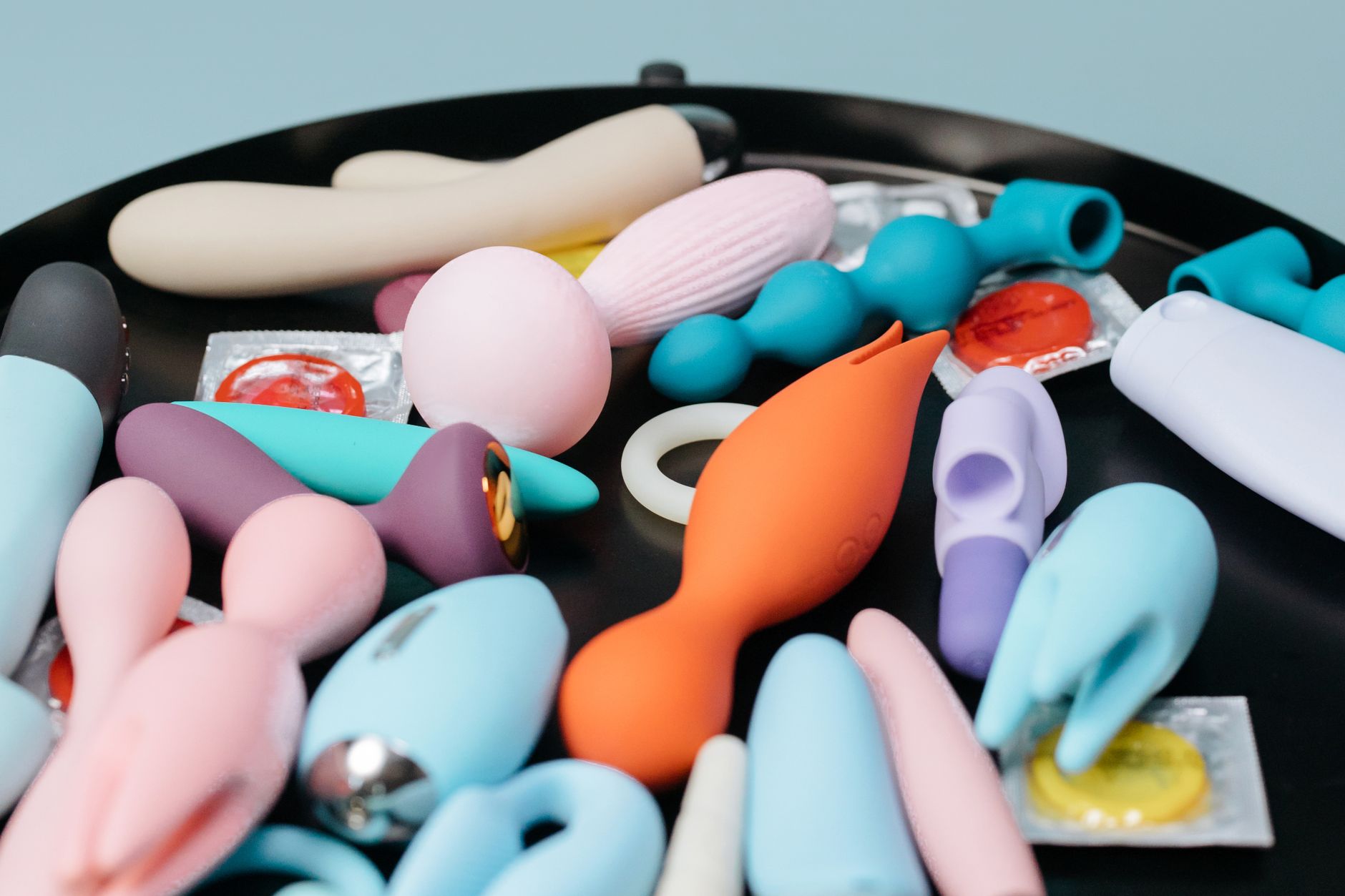
Photo by cottonbro studio on Pexels
When to seek help
If you've tried using a lemon clitoral vibrator and the tension around desire hasn't shifted at all, something else is going on. Maybe there's unresolved anger about other parts of the relationship. Maybe one partner is dealing with depression or anxiety that's tanking their libido. Maybe the relationship itself is in trouble and no vibrator can fix it.
A good couples therapist can help you both understand what's driving the mismatch and whether it's something you actually want to solve together. Some couples realize that a lower-frequency sex life is genuinely what they both want once the pressure drops. Others realize that the desire mismatch is a symptom of a bigger disconnection.
Mismatched desire isn't a sign of a broken relationship. It's actually one of the most common things couples navigate. The question isn't whether you have the mismatch. The question is whether you're willing to talk about it honestly.
The long game
Using a lemon vibrator as part of addressing mismatched desire isn't about making someone want sex more. It's about creating a space where pleasure is decoupled from obligation. It's about rebuilding the assumption that you can be intimate together without it looking the way it did in year two of your relationship.
Some couples find that this kind of experimentation actually increases desire overall. When there's less pressure, people relax. When people relax, they're more open to pleasure. It's not magic. It's just what happens when you remove the weight of expectation.
The Lem and other lemon clitoral vibrators exist to make solo pleasure feel incredible. But they also exist to give couples a new way to show up together. If you're willing to have the hard conversation underneath, the vibrator becomes a symbol of that willingness, not a solution on its own.
Start there.
People also ask
How do I bring up using a vibrator with my partner if we have mismatched libido?
Lead with curiosity, not the vibrator. Ask your partner what would make them feel more connected to you. Listen without defensiveness. Once you understand what's actually driving the mismatch, you can ask if they'd be open to exploring new ways to be intimate together. The vibrator is part of that conversation, not the opener. Frame it as "I want us to feel closer, and I'd love to find ways that work for both of us."
Will using a vibrator make my partner want sex more often?
Maybe, maybe not. That's not the goal. If the lower-desire partner starts feeling less pressured and more in control, they might relax into intimacy more easily. But the point is to rebuild connection on terms that feel good for both of you, not to change someone's baseline desire. That said, many couples find that lower-pressure intimacy actually feels better and happens more frequently once the resentment drops.
What if my partner is uncomfortable with vibrators?
Then that's information. Dig into why. Is it a practical concern? A shame thing? A feeling that it means something is wrong with them? Those are three different conversations. Some people warm up to the idea over time. Some people genuinely don't want that in their sex life, and that's okay. The vibrator is optional. The conversation about desire and connection is not.
Can we use a lemon vibrator if one of us has never had an orgasm with a partner?
Absolutely. Many people have never orgasmed during partnered sex because there's too much performance pressure. A lemon clitoral vibrator removes some of that pressure because the stimulation is so direct and focused. The partner can participate and learn what their partner actually enjoys. This is often when people orgasm with a partner for the first time, not because the vibrator is magic, but because the pressure finally lifted.
What if we use a vibrator and it just highlights how disconnected we are?
Then you've got clarity, which is valuable. Some couples realize that the desire mismatch is a symptom of a bigger emotional distance. That's actually important information. You might need a couples therapist to help you both reconnect on an emotional level first. But at least you know what you're actually dealing with instead of pretending it's just about sex.
How often should we use a vibrator if we have mismatched desire?
There's no rule. Some couples find that introducing a vibrator into their routine once or twice a week takes pressure off the higher-desire partner and makes the lower-desire partner feel more in control. Others use it occasionally as part of a broader intimacy practice. Pay attention to what actually feels good rather than what you think you "should" be doing.