The thing nobody tells you about hormonal birth control
Your birth control is working exactly as designed. It's preventing pregnancy by altering your hormone levels. But here's what gets glossed over in the patient information leaflet: those same hormonal shifts are doing something else entirely to your libido and sensation. You're not broken. Your body isn't betraying you. The medication is just muting signals that used to feel loud.
I work with people on hormonal contraceptives every week. The conversation usually starts the same way: "I don't know what changed. I used to want this. Now I feel kind of numb." Most of them have been told by their doctor that this is rare, or that it's psychological, or that they should just get used to it. None of those things are quite true.
Why birth control actually affects arousal
Hormonal contraceptives work by suppressing or reducing estrogen and progesterone. That's the point. But those hormones aren't just pregnancy gatekeepers. Estrogen is directly tied to blood flow to genital tissue, vaginal lubrication, and the speed at which your central nervous system responds to touch. Lower estrogen often means slower arousal, less natural lubrication, and reduced sensation overall.
There's another layer: many hormonal contraceptives contain progestin, a synthetic hormone that mimics progesterone. High progestin can actively suppress testosterone, which in people with vulvas is a major driver of desire and pleasure intensity. You're not losing interest in sex because you're lazy or stressed or losing attraction. Your brain chemistry literally shifted.
The third piece is vascular. Estrogen keeps blood vessel walls flexible and responsive. Lower estrogen means blood flow to the clitoris and vulva takes longer to ramp up during arousal. That translates directly to: it takes longer to get turned on, the feeling might be less intense when you do, and orgasm might feel distant or require way more effort than it used to.
None of this is rare. One study found that about 15 percent of people on hormonal contraceptives report decreased sexual desire, and another 20 percent report some decrease in pleasure or orgasm quality. That's not a small minority. That's one in four people on the pill, ring, patch, or shot.
The difference between low arousal and no arousal
Here's the distinction that matters: birth control usually doesn't erase desire entirely. What it does is lower the signal-to-noise ratio. Your brain is still capable of arousal. Your body is still capable of pleasure. But the path to both is longer and the intensity is dimmed. It's like trying to watch a movie with the brightness turned down. The image is still there. You just have to lean in more to see it.
This matters because the fix isn't always "change your birth control." Sometimes it is. But other times it's "get better at working with the hand you've been dealt."
What actually helps
1. Understand your specific formulation
Not all birth control hits arousal the same way. The progestin type, dosage, and the presence or absence of a placebo week all matter. Some people feel zero impact from a low-dose pill and major impact from an IUD. Others experience the opposite. If you're on a hormonal method and your arousal tanked, talk to your doctor about whether a different formulation might work better. Don't just accept it.
2. Build in real warm-up time
When arousal is slower to build, the reflex is usually to skip the warm-up entirely and jump straight to the main event. That makes it worse. Instead, lean into a longer foreplay window. Fifteen to twenty minutes of touch, kissing, or solo exploration before penetration or intense stimulation changes everything. Your body will get there, but it needs the time.
3. Use a lemon clitoral vibrator strategically
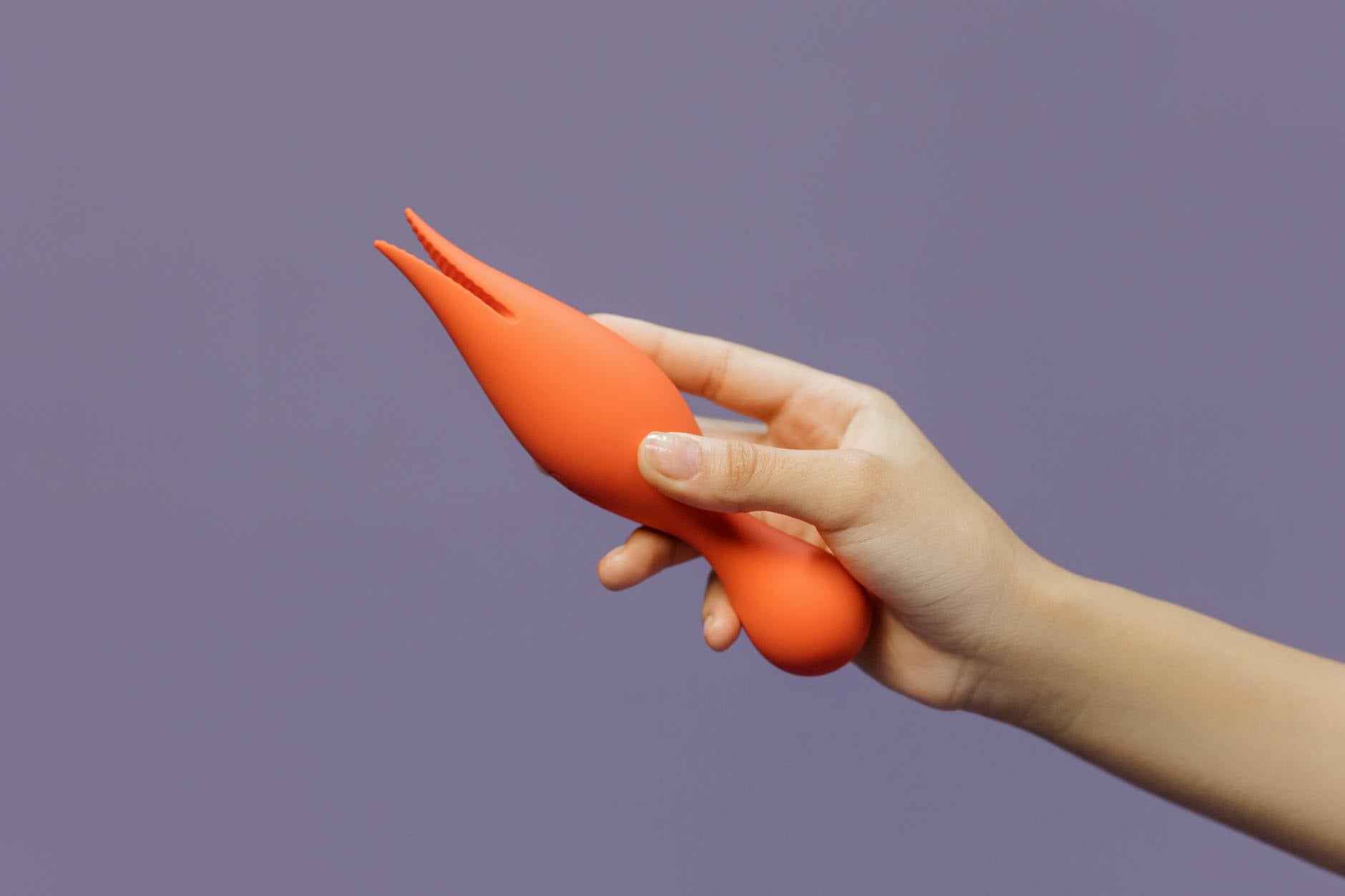
This is where a tool like a lemon vibrator makes a tangible difference. Air-suction technology and targeted vibration bypass the speed-of-arousal problem by stimulating nerves directly, without requiring your body to produce the baseline sensation it's currently struggling to generate. A lemon sucker doesn't require you to get "wet enough" or "turned on enough" to feel good. It creates sensation independent of your hormone levels.
Start on a lower setting. If your sensation is muted, jumping straight to the highest intensity can feel overwhelming or numb at the same time. Work your way up. The idea is to use vibration as a bridge back to your own responsiveness, not as a workaround forever.
4. Talk to your partner (if you have one) before anything changes
When arousal slows down on birth control, people often feel ashamed or hide it. Then their partner notices they're taking longer to respond, or they're not initiating as much, and starts assuming something's wrong with the relationship. This is a setup for disaster. Have the conversation. "My arousal pattern changed because of my contraception. This is normal, it's chemical, and here's what helps me." This isn't a crisis. It's information.
5. Consider your timing
Some hormonal contraceptives have rhythms built in. If you're on a pill with a placebo week, your hormone levels fluctuate. You might notice desire or sensation feels stronger in the placebo week. Some people find it helpful to front-load their partnered sex or self-pleasure time to align with their higher-sensation window. It's not ideal that you have to strategize around this, but it works.
When to consider a method switch
If your arousal is completely flat, or if the tools and timing adjustments above don't move the needle after a few months, it might be time to talk to your gynecologist about switching to a different contraceptive. Non-hormonal options exist (copper IUD, barrier methods, FAM). Hormonal methods with lower progestin or different progestin types sometimes work better. Some people find that the implant or shot impacts them differently than the pill.
But here's the thing: even if you stay on your current method, the interventions above actually work. Most people don't feel numb forever. They feel slower and quieter at first, and then they adapt. Their body figures out how to respond. The clitoris doesn't forget how to feel good. It just needs a different rhythm.
The thing about pleasure and hormones
Hormones shape arousal, but they don't own it. You're not a victim of your birth control. You're someone managing a legitimate side effect with information and the right tools. That's actual agency. Lemon vibrators and other clitoral vibrators exist partly because of exactly this dynamic: your pleasure doesn't have to match the standard timeline or intensity. You get to build something that works for your actual body right now.
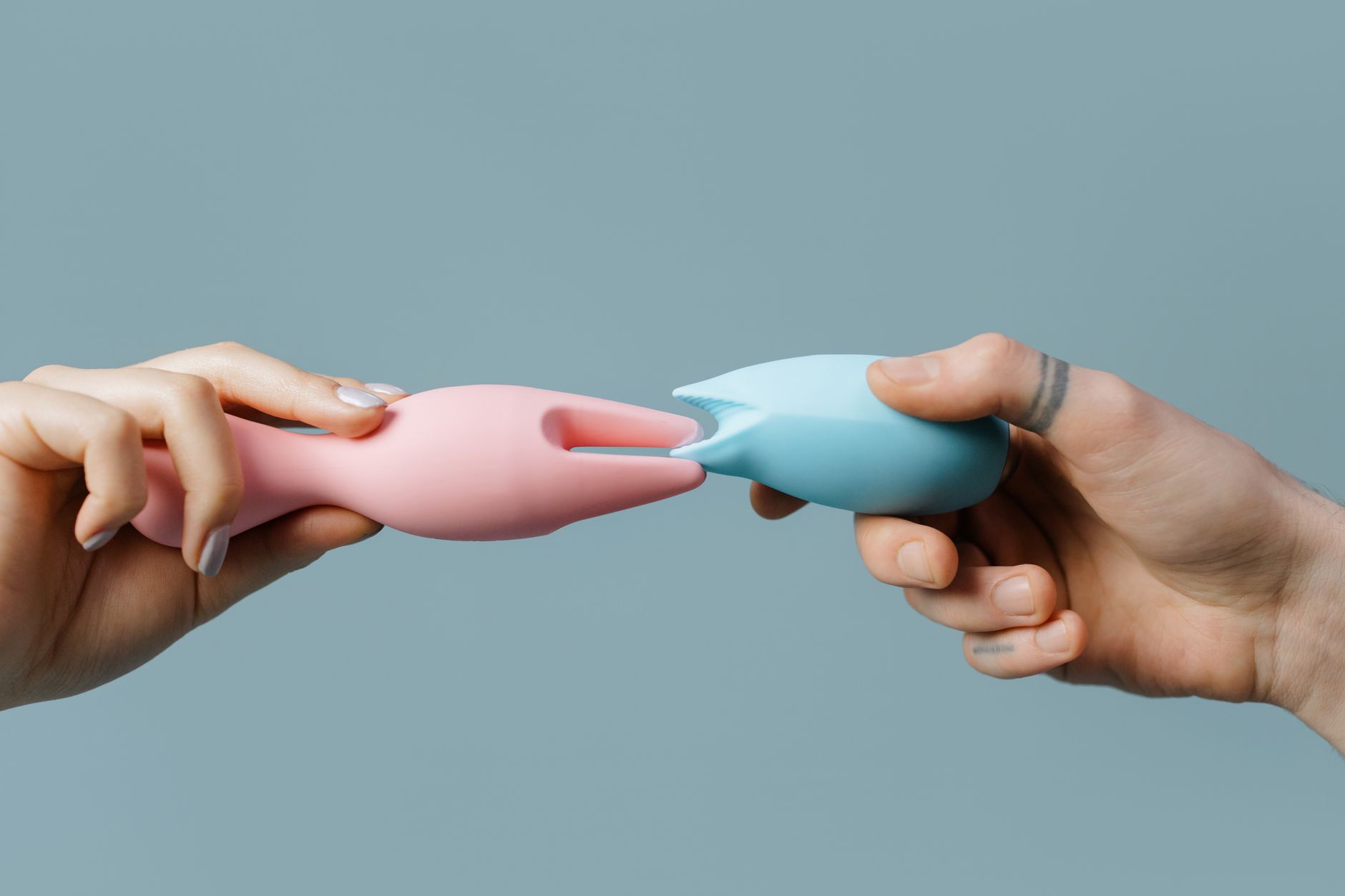
Photo by cottonbro studio on Pexels
FAQ
How long does it take for birth control to affect arousal?
It varies widely. Some people notice a shift in desire or sensation within the first one to two weeks, as their hormone levels drop. Others don't register a difference until they've been on the method for two to three months and the impact accumulates. A few people don't notice anything at all. If you do notice changes, give it at least three months before deciding it's definitely the birth control, because some of the adjustment is also psychological.
Can I use a lemon vibrator if I'm on birth control?
Absolutely. Birth control doesn't change how vibrators work. If anything, because birth control may slow your arousal or reduce natural lubrication, having a tool like a lemon clitoral vibrator can bridge that gap and help you access pleasure more easily. Just make sure you're using a water-based lubricant if you're also dealing with dryness.
Does switching birth control methods actually help arousal come back?
For many people, yes. If the progestin in your current method is the culprit, switching to a lower-dose formulation or a different progestin type can restore some or all of your baseline desire. Some people also find that non-hormonal methods have zero impact on arousal. But the flip side: some people don't see a difference, so it's not a guaranteed fix.
Is loss of arousal on birth control reversible?
Yes, almost always. Your brain and body will recalibrate if you switch methods. Even if you stay on the same birth control, the numbness often gradually improves as your body adapts over time. The issue is usually not permanent neurological damage. It's a chemical signal being dampened, and signals can be amplified or rerouted.
What's the difference between lower arousal and depression?
Lower arousal from birth control is usually: specific to sexual response, stable over time, not accompanied by other mood changes. Depression on birth control looks different: broader flatness, lack of pleasure in things you usually enjoy, mood instability, sleep changes. If you're experiencing depression, that's separate from arousal issues and absolutely worth talking to your doctor about. Some hormonal contraceptives can contribute to depression in vulnerable people. That's not a character flaw. That's information for a conversation with your provider.
Do lemon vibrators work better than other vibrators if you're on birth control?
Lemon vibrators use air-suction technology, which can feel qualitatively different from standard vibration. Some people find that the suction sensation is easier to feel when sensation is muted, because it creates a broader area of stimulation rather than rapid micro-movements. But "better" is personal. Some people find standard vibrators work great. The best tool is the one your body responds to.
The bottom line
Birth control changes arousal. That's not a failure of the method or a failure of you. It's a direct result of how hormones shape sexual response, and it's manageable. Whether you adjust your routine, add the right tools like a lemon vibrator, talk to your partner differently, or explore other contraceptive options, you have actual choices here. Your pleasure on birth control isn't collateral damage. It's something worth the conversation with your body, your partner, and your doctor. If you want to explore options or have questions about what might work for you, reach out. We're here to help.