Here's what nobody says about uneven foreplay
One of you is giving. One of you is receiving. And nobody's talking about how that imbalance isn't just awkward. It erodes something you can't repair with a single conversation. The person who's always doing the work starts to resent the person who benefits. The person coasting feels guilty but doesn't know how to change the pattern without blowing everything up.
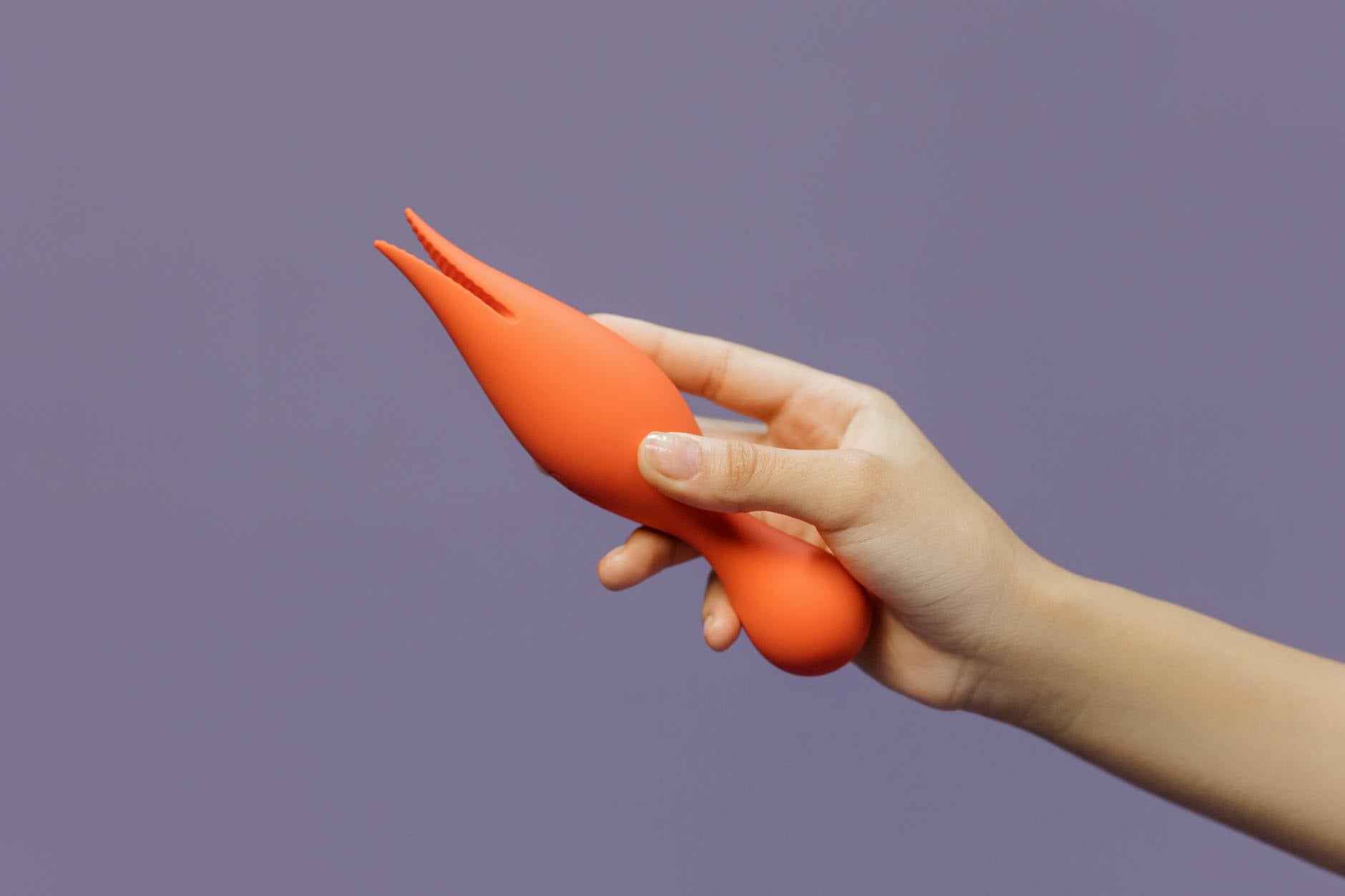
Let me be direct. A lemon clitoral vibrator won't fix communication problems. But it can do something almost as valuable: it can break the pattern.
Why foreplay imbalance happens (and why it's not about laziness)
Foreplay inequality creeps in quietly. Maybe your partner takes longer to get aroused, so you've defaulted to warming them up while staying relatively still. Maybe they had a parent who modeled passivity, or they're anxious about "doing it wrong." Maybe you're both tired, and they're leaning on the assumption that penetration requires less setup for them than for you.
None of these reasons are excuses. But understanding the why matters if you're going to shift the dynamic instead of just resenting it.
Here's the trap: resentment grows in silence, and your body knows. You stop asking for what you want because you've already resigned yourself to not getting it. Your partner, sensing the withdrawal, asks less. The feedback loop tightens.
A clitoral vibrator introduces a new variable. It says, without words, that your pleasure isn't optional, and it doesn't require their participation to happen.
How lemon vibrators change the conversation
When you bring a lemon vibrator into foreplay, something shifts in the room. Suddenly you're not waiting for them to want to touch you. You're actively engaged in your own experience. That's powerful not just physically but psychologically.
I've worked with countless couples where the introduction of a clitoral vibrator transformed foreplay from something that happened to one person into something that happened between them. They started watching. They started participating differently. They asked questions instead of assuming.
Why? Because a vibrator makes your pleasure visible and independent. It's hard to stay passive when someone is actively engaged in their own sensation. It invites participation without requiring it.
The practical moves that actually work
Start with a clear ask. "I want us to try something during foreplay. I'm going to use my vibrator, and I want you to stay with me while I do it." That's it. Direct. No negotiation language like "if that's okay" or "only if you want to." This is you setting a boundary around your own pleasure.
When you're using the vibrator, narrate what feels good. "This rhythm is hitting exactly right" or "I like when you kiss my neck while I'm doing this." You're not blaming them for what they weren't doing. You're showing them what works. Some partners will mimic the pattern. Some will find new ways to participate.
Start at lower intensities. If your partner is new to watching you with a lemon clitoral vibrator, the visual can be intense. Using patterns 1 or 2 on a device like The Lem feels less overwhelming than jumping straight to maximum. You can always build up as their comfort grows.
Set a specific frequency. "Let's use this two times a week during foreplay" is clearer than "whenever." It removes the spontaneity anxiety from the equation. Both of you know it's coming. Your partner has time to adjust mentally. You have something to look forward to.
When your partner resists
If they say "I feel like I'm not enough," you're listening to insecurity, not logic. Acknowledge it without accepting it. "You're plenty. This is about me getting what I need, not about you failing." Then be quiet. Let them sit with that.
If they say "It feels weird," ask what specifically. Is it the toy? The act of watching? The loss of control in the moment? Different answers need different solutions. Weird is often just unfamiliar, and unfamiliar becomes normal with gentle repetition.
If they say "That's too intense for me," believe them and adjust. Use the vibrator without them present initially. Let them acclimate to the idea in lower-stakes moments before integrating it into shared foreplay.
Here's what I don't recommend: trying to convince them through logic. "It's not threatening because science" or "Lots of couples do this" doesn't move resistance. What moves it is patience, repetition, and watching you own your pleasure without apology.
What often happens next
Once the initial discomfort passes, I see two common progressions. Either your partner starts asking questions: "Do you like this pattern better?" "Should I be touching you differently?" In that case, foreplay has become collaborative instead of one-directional.
Or they discover they actually like watching. Lemon vibrators make the physical response visible in a way manual stimulation doesn't always do. Your body's feedback is clear. That can be deeply arousing for a partner who's insecure about their own impact.
In some cases, nothing changes on their end, but you stop needing it to. You've established that your pleasure is non-negotiable, and somehow that rebalances the whole dynamic. You're less resentful. They feel the shift and try harder elsewhere.
The honest boundary-setting part
If foreplay remains entirely one-directional even after you've introduced a clitoral vibrator and made your needs explicit, that's information. It suggests your partner isn't willing to meet you, and that's a different conversation than "they don't know how."
I'm not saying leave. I'm saying name it. "I notice that even when I'm using my vibrator, you're not participating. I need foreplay to feel mutual. What's getting in the way?" Sometimes that conversation unlocks something. Sometimes it doesn't. But at least you're working with facts instead of assumptions.
Making it less high-stakes
One tip: use your lemon clitoral vibrator during solo time first. Not because there's anything wrong with doing it together, but because you'll feel more confident in your own body's response. You'll know exactly what you like. That confidence makes the shared experience less performative and more grounded.
Also, lemon adult toys are quieter than you'd expect if you have privacy concerns. The Lem is designed to be unobtrusive. That matters if you're navigating shame or if your partner's resistance comes from anxiety about neighbors hearing.
Make the first time you use it together low-pressure. Not mid-penetration when they're already committed to a rhythm. Maybe during extended foreplay when there's room for experimentation. The stakes are lower, and you both have mental space to notice what's happening.
Why this actually fixes the pattern
Uneven foreplay doesn't fix itself. It compounds. But a clitoral vibrator introduces a variable that interrupts the pattern. It makes your pleasure independent of their effort. That sounds like it might make them feel worse, but it often does the opposite. It gives them permission to relax, to stop feeling like they need to carry the weight of your satisfaction. Paradoxically, that's often when they start showing up more.
Your pleasure matters. Not because your partner should always be the one providing it, but because you deserve to have it available to you without negotiation. A lemon vibrator is a tool for claiming that.
People also ask
Should I use a vibrator if I want more foreplay from my partner?
It depends on what you're hoping for. If you're using it to punish them or to prove a point, it'll backfire. If you're using it to meet your own needs and model what mutual foreplay looks like, it often invites them to step in. The key is motivation. Are you doing this for you, or are you doing it at them?
What if my partner thinks the vibrator is a replacement for them?
That's a legitimate fear, and it deserves a straight answer. "This isn't about replacing you. It's about me not waiting around for foreplay that might not come. I want you involved, but I'm not willing to deprioritize my own pleasure." Then follow through. Include them. Ask them to participate. Show them it's an invitation, not an exclusion.
How do I bring this up without making it sound like blame?
Don't lead with the problem. Lead with the solution. "I want to try using a vibrator during foreplay. I think it could be really hot, and I'd love to do it together." That frames it as an adventure, not a correction. If they ask why, you can be honest: "I want foreplay to feel more balanced." But the initial ask should be about what you want to add, not what they're failing at.
Can I use a lemon vibrator if we're in a long-distance relationship?
Absolutely. Long-distance couples often use vibrators as part of shared video time or as a way to stay connected. Some partners enjoy watching. Others enjoy knowing their partner is prioritizing their own pleasure. It can actually deepen intimacy in LD situations because it removes the performance pressure.
What if I'm the partner who's not reciprocating foreplay?
Take that seriously. Ask yourself why. Is it fatigue, anxiety, a mismatch in desire? If your partner brings a vibrator into the dynamic, don't take it as criticism. Take it as them saying "I need this, and I'm not waiting for permission." Then ask yourself what would make you want to participate more. Therapy or a conversation with a couples counselor can help you get to the root.
How do I know if this is a fixable pattern or a sign of deeper issues?
Uneven foreplay can be fixed if both people are willing. A vibrator is a tool, not a solution. If your partner refuses to engage or gets angry when you prioritize your pleasure, that's a sign that the issue isn't about foreplay. It's about control or resentment that needs professional support to untangle. Consider talking to a couples therapist.
The takeaway
Foreplay doesn't have to feel one-directional. And you don't have to wait for your partner to figure out how to meet you. A clitoral vibrator, used with intention and honesty, can rebalance the dynamic. It models what mutual pleasure looks like. It gives your partner permission to relax. And it ensures that your satisfaction isn't optional.
Your pleasure matters. Not someday. Not after you've had a conversation. Now. A lemon vibrator is just a tool for making that true.