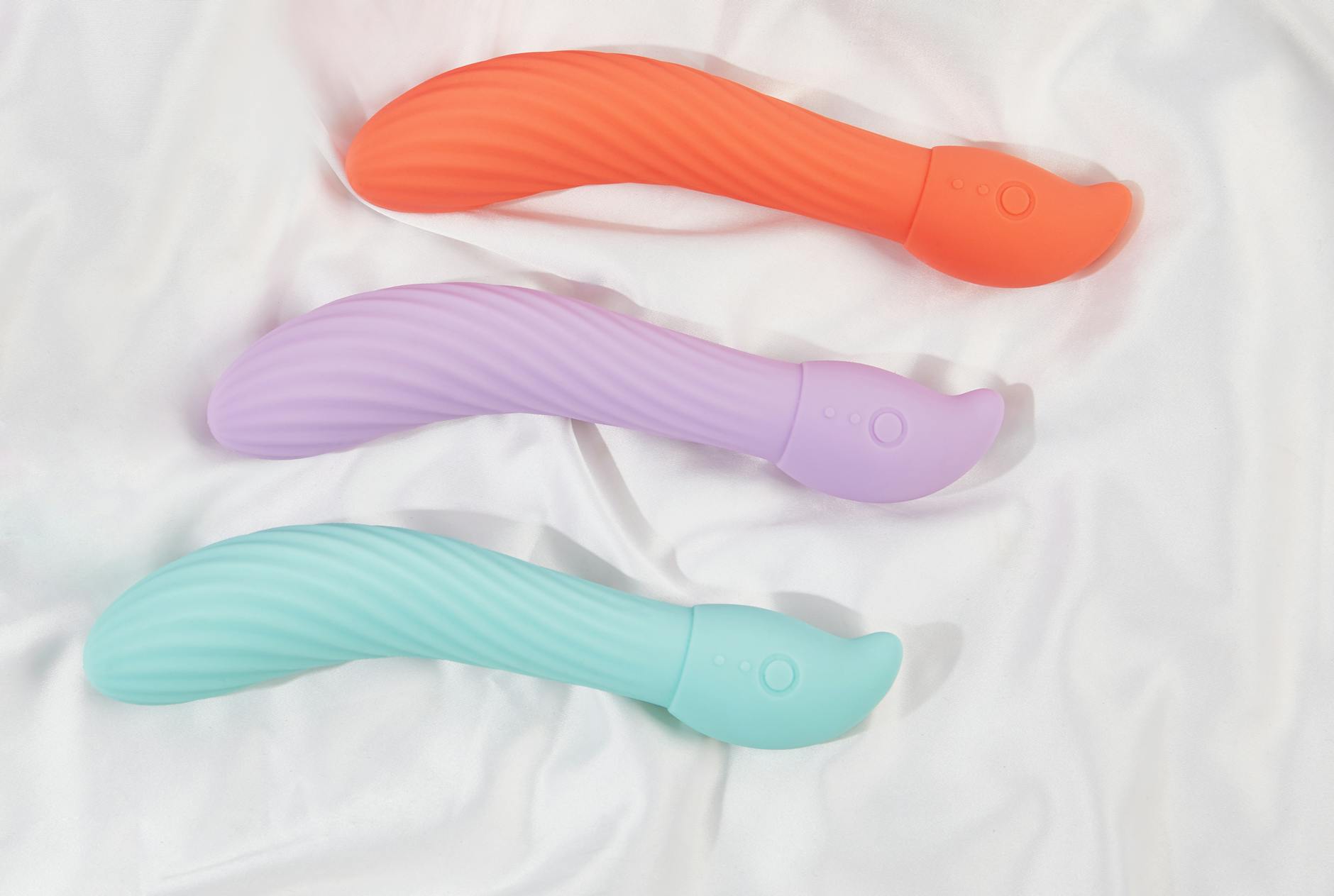
Let's talk about what's actually happening
Low sensation is real, and it's way more common than you'd think. Medication, age, past trauma, hormonal shifts, or just the wear and tear of life can all dampen physical sensation. The good news? It's not permanent, and it's not a dead end for pleasure. It's just a recalibration.
Here's what I see in my practice: people with low sensation often assume they need stronger stimulation. That's backwards. What they actually need is smarter stimulation, the right tool, and permission to slow down.
Why lemon vibrators work differently for low sensation
Most vibrators use rapid buzz patterns that numb the tissue the longer you use them. It's called the Pacinian corpuscle effect. Your nerves literally stop responding to constant input, like how you stop feeling your clothes after five minutes. It's not failure. It's neurology.
Lemon suction vibrators work on a completely different principle. Instead of buzz, they use gentle air-pulse patterns that stimulate the entire clitoral network without flattening sensation. Because the Lem (and other air-pulse tools) create a rhythm rather than constant vibration, your nerve endings keep firing. You don't numb out. You build up.
For people with low baseline sensation, this matters enormously. You're not fighting your body's natural fatigue response. You're working with it.
How to start: find your actual baseline
Before you reach for a device, you need to know what you're working with. Grab a few minutes of privacy and explore without anything electronic.
Touch your clit directly with different amounts of pressure. Light? Medium? Heavy? Notice which feels something close to "good." Not great, just recognizable. That's your baseline.
Now try indirect touch. Through your underwear. Through a thin cloth. Through a thicker barrier. Where does sensation shift? Usually people with low sensation find that indirect pressure actually feels more intense than direct touch. Write this down. Literally. This is your map.
Do this two or three times across different days. Sensation fluctuates. You need to see the range.
The setup that actually helps
When you're ready to use a lemon vibrator, here's the sequence:
Start with lubrication, not stimulation. Water-based lube increases surface conductivity. Your nerves respond better to stimulation when tissue is hydrated. Use enough that it feels slippery, not just damp.
Begin at the lowest setting. On the Lem, that's pattern 1 or 2. If you're tempted to jump to pattern 5 because you can't feel 1, don't. Your nervous system is learning. It needs gentle input first. Spend two full minutes at each level before you increase.
Use a very light seal. The Lem works best with a gentle cup over the clit, not aggressive pressure. Light seal. Let the device do the work. When people with low sensation press harder, they're usually fighting numbness with pressure. That's the opposite of what helps.
Focus on the tease, not the destination. People with low sensation often jump straight to trying to reach orgasm. That's exhausting and usually fails. Instead, spend 10 to 15 minutes just enjoying sensation building. Notice when you feel something. Celebrate it. Pause and let it settle. The orgasm will come if you give your nervous system room to respond.
The timing adjustment that changes everything
Here's something most guides skip: timing matters more than intensity when you have low sensation.
Many medications that affect sensation also affect circadian rhythm. Your body has better capacity for feeling at certain times of day. For some people, it's morning. For others, late evening. Spend a week noting when sensation feels sharper. Schedule your exploration for that window.
Also, don't use lemon vibrators when you're stressed or rushed. Low sensation often travels alongside nervous system dysregulation. You need 5 to 10 minutes of genuine calm before you start. Breathing. A few moments of stillness. This isn't spiritual fluff. Your parasympathetic nervous system literally has to be online for sensation to register.
What to do if sensation still isn't returning
Some low sensation is medication-related and won't shift without changing the medication. Have that conversation with your doctor. Some is neurological and needs specialist input. Some is trauma-rooted and might benefit from therapy.
But many people find that combining a lemon vibrator with how to use lemon vibrators for faster arousal when stress kills your libido strategies unlocks dormant sensation. Stress management, pelvic floor awareness, and consistent practice do rebuild nerve responsiveness.
If you're working with a partner, this is also a conversation to have. Low sensation can show up as disinterest in partnered sex, which partners sometimes misinterpret as lack of attraction. It's not. It's a technical problem with a technical solution. Knowing that separates the emotional charge from the physical issue.
The patience piece (yes, it matters)
Rebuild sensation takes time. You're not broken. Your nervous system is just desensitized. Think of it like physical therapy. You wouldn't expect full mobility after one session. Same principle here.
Most people see meaningful shifts within two to three weeks of consistent, gentle practice. Some take longer. Your brain and your clitoris need time to re-establish dialogue.
One more thing: low sensation often improves faster when you're not white-knuckling it. The pressure to "fix" yourself and feel something is the enemy of actually feeling. This is where how to use lemon vibrators when you have vaginismus or pelvic tension strategies intersect with low sensation work. Releasing tension in the pelvic floor literally opens nerve pathways.
People also ask
Can low sensation from medication come back?
Yes, often. Some medications (SSRIs, blood pressure meds, some antihistamines) dampen sensation. If you and your doctor identify the culprit, sometimes switching to a different class of medication restores sensation within days. Even if you can't change meds, many people find that consistent practice with tools like lemon vibrators rewires response patterns. Your nervous system adapts. Be patient.
Is it normal to need stronger settings as I get older?
Yes and no. Some people naturally need stronger stimulation with age. But many mistake age-related changes for permanent numbness when it's actually a rhythm shift. Your body might respond better to longer warm-up time or indirect stimulation rather than higher intensity. That's not decline. That's evolution. Test different approaches before you assume intensity is the answer.
Will using a vibrator make my low sensation worse?
Not if you're using it correctly. High-buzz vibrators can create Pacinian fatigue if used intensely and repeatedly. But lemon air-pulse vibrators actually train your nervous system to maintain sensitivity by varying rhythm instead of drilling constant input. The key is using low settings, taking breaks, and not forcing it.
Can numbness be a sign of something serious?
Sometimes. If numbness appeared suddenly, is spreading, or is accompanied by pain or other nerve symptoms, see a neurologist or gynecologist. But gradual, mild low sensation from stress, medication, or age is very common and usually reversible. Context matters. If you're unsure, get it checked.
How do I know if I should see a specialist?
If low sensation has been present for more than six months and isn't responding to the techniques here, a gynecologist trained in sexual health can help. They can rule out vascular issues, nerve damage, or hormonal causes. Sometimes a diagnosis unlocks a treatment. Other times, it's just reassurance that you're not broken. Both are valuable.
Should my partner be involved in this process?
If you have one, yes, eventually. But not at first. Rebuild your own connection to sensation alone first. When you bring a partner in prematurely, their anxiety about "doing it right" layers onto your nervous system. Get yourself grounded first. Then invite them into exploration without pressure. That's the recipe that works.