Let's talk about the warm-up that nobody mentions
Here's what I hear in my practice constantly: "I need forever to get going." "My partner finishes before I'm even halfway there." "I thought something was wrong with me, but it's just how my body works." Sound familiar? You're not broken. You're not slow. Your clitoris simply requires more deliberate foreplay to wake up fully, and that's actually a gift if you stop fighting it.
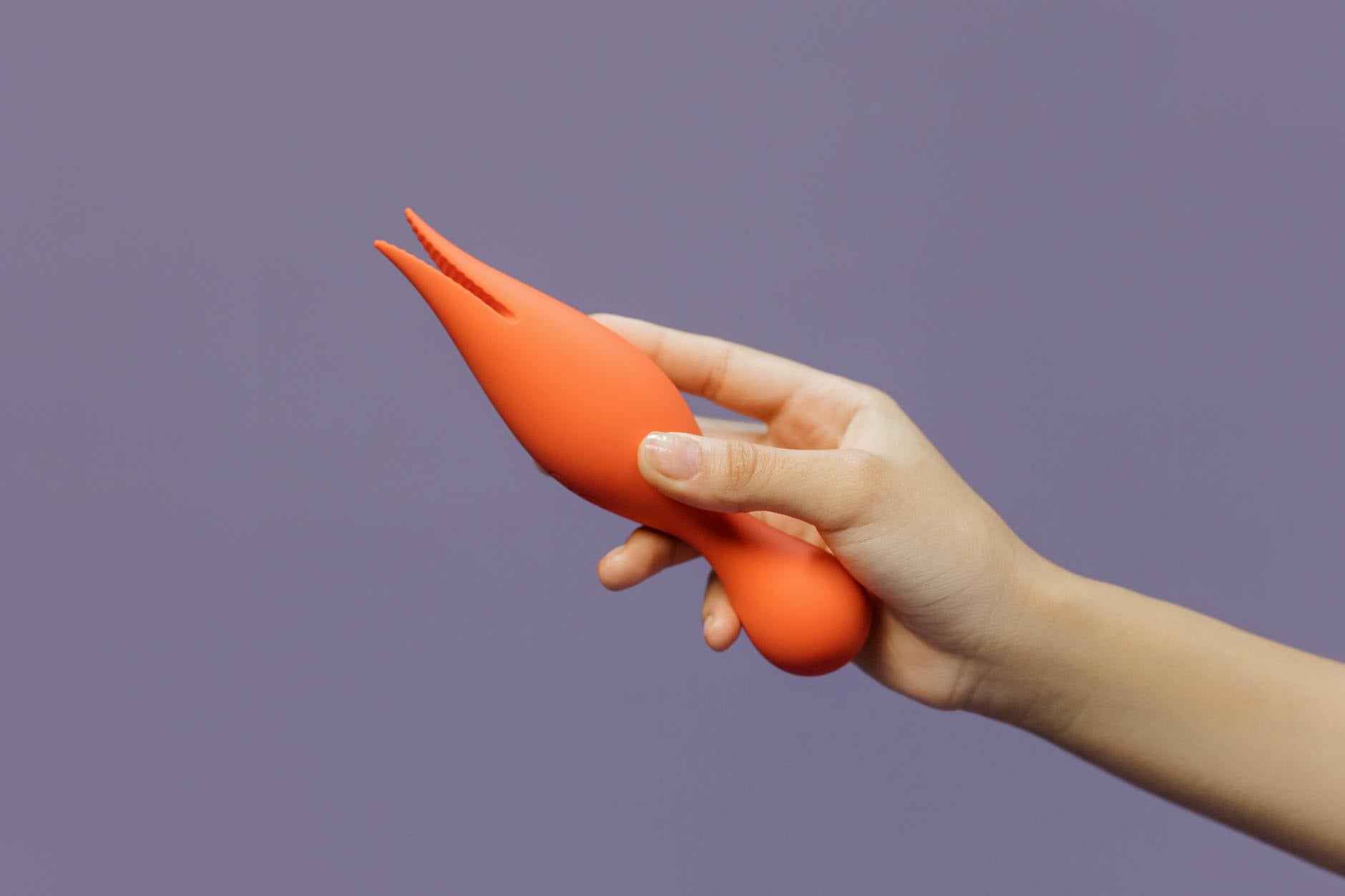
Most sex education treats arousal like a light switch. Flip it on, go. Reality is messier and more interesting. Some bodies are hard-wired for extended warm-up periods. Stress, hormones, relationship rhythms, even just the shape of how your nervous system works can mean your clitoris needs a longer runway before it's ready for direct, intense stimulation. The good news? Lemon clitoral vibrators are designed for exactly this work.
Why your clitoris might be a slow bloomer
Let's separate cause from myth first. A slow-to-warm-up clitoris is not a sign of low desire, insufficient attraction, or a problem with your partner. It's usually one of five things.
Baseline nervous system activation. Some people's parasympathetic nervous systems move slower into "go" mode. You're not less interested. Your body just requires longer to downshift from daily stress and register pleasure signals. This is partly temperament, partly conditioning, and absolutely normal.
Hormonal phase. If you menstruate, the first half of your cycle (follicular phase) can feel sluggish erotically compared to the luteal phase. Estrogen is rising but hasn't peaked yet. Your clitoris might feel less responsive, less engorged. That doesn't mean desire is absent. It means the hardware needs a longer ramp-up.
Pelvic floor tension. Stress lives in your pelvic floor. If you're holding tension there (which most of us are), blood flow to the clitoris stays restricted. Stimulation feels muted or distant until that tension releases. A slow, intentional warm-up helps the pelvic floor relax rather than contract defensively.
Medication side effects. Antidepressants, birth control, blood pressure meds, antihistamines—they all can blunt arousal signals. You're not imagining the difference. Your body genuinely needs more input to reach the same endpoint.
You've been rushing it. This sounds simple but it's profound. If years of partnered sex meant moving quickly to penetration, or if you've never actually given yourself time to explore solo, your clitoris might never have learned its own slow-burn rhythm. It's not that you're incapable of fast arousal. It's that nobody ever asked what you actually prefer.
The architecture of slow arousal
Think of slow-to-warm-up arousal in three tiers instead of two.
Tier 1: The approach. This is 10-20 minutes of non-sexual or minimally sexual touch. Massage, kissing, being close. The goal isn't to build arousal yet. It's to downregulate your nervous system and begin signaling that this is a safe, unrushed space. Your clitoris stays protected under its hood during this phase. That's fine.
Tier 2: The invitation. Now you introduce stimulation, but at patterns 1-2 on a lemon vibrator. Light, variable, rhythmic. The suction aspect of clitoral vibrators is genius here because it doesn't require direct tissue contact. You can start stimulating over clothing or with the hood still covering the glans. It's gentler than vibration alone, and it broadcasts the message: "We have time."
Tier 3: The build. Once you feel genuine arousal responding (not forced, not performative—actual engorging, actual want), you can gradually increase intensity. Patterns 3-4, wider strokes, more direct contact. But this only happens after your body has had time to actually prepare.
This three-tier system works whether you're solo or with a partner. The only difference is communication.
How to use lemon vibrators in a slow-arousal scenario
Let's get tactical. Here's the setup that works for bodies that need extended warm-up.
Start outside the clitoris entirely. Use the lemon vibrator on your inner thighs, your labia, your pubic mound—anywhere but the clitoris—for the first 5-10 minutes on a low pattern. This begins priming blood flow without creating performance pressure on the clitoris itself. You'll notice a gradual shift: tissues begin to swell, sensation feels warmer, breathing deepens.
Use suction before direct stimulation. This is where lemon clitoral vibrators shine. The suction patterns gently draw tissue into the stimulator, creating sensation without aggressive friction. Start on pattern 1 or 2 directly over the clitoral hood. Your clitoris gets stimulated without feeling overwhelmed. Many people find this less jarring than direct vibration, especially when they're not fully aroused yet.
Experiment with layering. Once you're 15-20 minutes in and feeling genuine arousal, try combining lemon vibrators with manual touch. Use the vibrator on a low pattern while your other hand strokes your inner thighs, your breasts, your vulva around the vibrator. Layered sensation often accelerates arousal better than one tool alone.
Build patience into partnership. If you're with a partner, communicate this clearly beforehand: "My body needs about 20 minutes of warm-up before direct clitoral stimulation feels good. Can we structure time around that?" Then show them exactly what you need. Let them use the lemon vibrator on you during the approach phase. Many partners find they actually prefer this rhythm because it feels less rushed, more connected, more intentional.
The mental game
Here's the part nobody talks about: slow arousal requires you to release shame about the timeline.
Our culture has sold us a story that "good sex" is spontaneous and quick. That's a commercial fiction. Real arousal, especially for people with clitorises, is usually slower. Expecting yourself to be "ready" in five minutes is like expecting your body to digest dinner while you're still chewing. It's not laziness. It's anatomy.
When you stop fighting the pace your body prefers and actually lean into it, something shifts. You stop performing arousal and start feeling it. That's when pleasure gets interesting.

Photo by Ihsan Adityawarman on Pexels
Solo slow-arousal rituals that work
When you're alone, you have total freedom to design your arousal exactly as your body wants it.
Set a 30-minute window. Put your phone away. Start with non-sexual touch—massage your own shoulders, your arms, run your fingers through your hair. Then move to the pelvis: stroke your thighs, your lower belly. Get into your body before you introduce the lemon vibrator. When you finally turn it on, you've already primed your nervous system for pleasure.
Use the vibrator with fantasy or reading, not as a race to the finish. Some people find that erotica or visual material helps sustain arousal while their body builds. Others find it distracting. Notice what your brain actually wants, not what you think it should want.
Tracking patterns helps too. Does your arousal build faster on certain days of your cycle? In the evening versus morning? When you've been touched earlier in the day versus starting from zero? Your clitoris isn't unpredictable. You're just discovering its actual preferences.
When you finally reach that threshold where direct, higher-intensity stimulation feels incredible, you'll notice something: the orgasms that came after genuine 20-minute warm-ups are often deeper, more full-body, more memorable than the quick ones ever were. That's not coincidence. It's neurobiology. Your nervous system had time to fully downregulate and surrender.
What to do when your partner wants to skip the warm-up
This is real friction, and I want to address it directly.
If your partner is frustrated by the timeline your body needs, that's a conversation about respect and desire, not about your body being broken. You can say: "I'm not refusing you. I'm asking you to want me fully aroused. That takes time. Are you willing to invest in that?" If the answer is no, that's important information about compatibility. If the answer is yes, you've just transformed the entire dynamic.
Some partners worry that slowing down means they're "doing something wrong." They're not. Extended foreplay is the opposite of failure. It's the right approach for your nervous system. Frame it that way.
When hormones change the equation
If you're in a hormonal transition—whether that's post-baby recovery, switching birth control, or moving into perimenopause—your warm-up timeline might shift. You might need more time now than you did before. That's not regression. That's your body adapting. Adjust your expectations and your ritual. If 20 minutes worked last year and you need 30 now, that's information, not failure.
The other possibility: sometimes slow arousal improves with consistent attention. When you regularly take time for extended foreplay and give your body permission to warm up at its own pace, the clitoris sometimes becomes more responsive overall. It's like you're retraining your nervous system to trust that you have time, and once it trusts that, it can relax into pleasure more readily.
FAQ: slow warm-up and clitoral vibrators
Why does my clitoris feel numb during the first 10 minutes of stimulation? Your tissues need blood flow to engorge and become sensitive. Stimulation without adequate warm-up is like trying to wake someone who's deeply asleep by shouting. Their ears work, but the brain isn't receiving it yet. That numbness is your nervous system telling you it needs more time in the approach phase before direct stimulation makes sense.
Is it normal to need 20+ minutes of foreplay every single time? Yes. For some people, always. For others, sometimes. Stress, hormonal phase, how much touch you've received earlier in the day, how present you feel mentally—all of it affects your warm-up timeline. Extended foreplay isn't a bug. It's how many bodies are designed.
Can lemon vibrators actually speed up arousal, or do they just mask the problem? They do both. The suction-based stimulation is gentler and more intuitively pleasurable for many bodies than traditional vibration, which can help arousal feel more natural. But they don't "solve" slow warm-up. They work with your natural pace. You're not speeding up your body. You're giving it the right tool for the rhythm it already has.
What if my partner loses interest during the warm-up phase? That's a values question, not a technique question. If they're unable or unwilling to invest in your full arousal, that's a relationship piece to address separately from the clitoral vibrator question. A partner who wants you fully present and fully aroused is worth the time investment.
Does slow arousal mean I have lower desire? No. Desire and arousal are different. You can have high desire and slow arousal. You might desperately want sex but need your nervous system to settle before your body can register pleasure. That's not less desire. It's different wiring.
Can I use lemon vibrators during the warm-up phase, or should I wait? Start using them during the invitation phase (tier 2). That's when low-pattern stimulation on the clitoral hood or surrounding tissue starts priming the area without feeling overwhelming. By the time you're in the build phase (tier 3), you can increase intensity. This tiered approach respects your warm-up needs instead of forcing arousal on a timeline that doesn't fit your body.
The quiet revolution of honoring your own pace
Here's what I've seen happen in my practice when someone finally stops fighting their warm-up timeline and leans into it instead: their pleasure actually deepens. Not because their body changed. Because they stopped treating their natural pace as a problem to solve and started treating it as information about what their body actually needs.
Your clitoris isn't lazy. It's not broken. It's not withholding from you. It's wired to need a slower, more intentional approach to arousal. That's not a deficit. That's your design. The moment you accept that, everything shifts. You stop rushing. You stop performing. You start feeling. And that's where the real pleasure lives.
If you're curious about techniques tailored to your specific body and patterns, reach out. That's exactly what I help people discover.