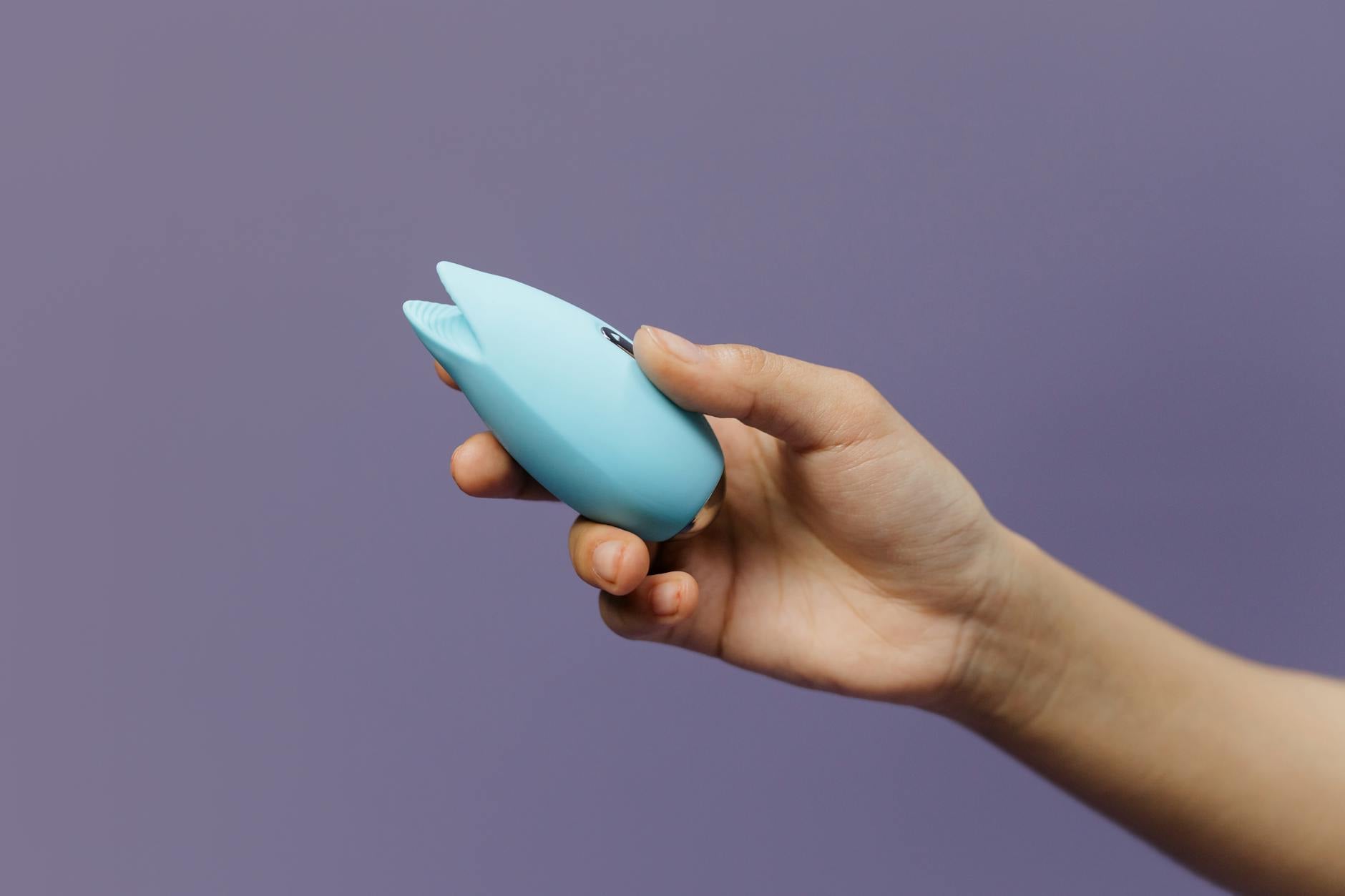
Let's name the actual problem
He sees the vibrator. His stomach tightens. He doesn't say anything that night, but three days later he makes a comment about you not needing him anymore. Or she says she feels like she's failing if you need a toy. Or they shut down entirely when you mention it, turning the whole conversation into a minefield you're terrified to navigate.
This isn't about the toy. It's about what the toy represents to them: inadequacy, replacement, proof that they're not enough. And until you separate the lemon vibrator from that story, you're fighting a battle that has nothing to do with pleasure.
Why partners feel threatened (the actual reason)
Most people aren't threatened by vibrators because they're irrational. They're threatened because sex is the last place many of us feel truly secure in a relationship. If your partner can't bring you to orgasm, or needs something extra to get there, the brain goes straight to: "I am failing. I am being replaced."
Here's the part nobody talks about: your partner might be carrying old shame about their own body, their own performance, or their own sexuality. A vibrator doesn't create that shame. It just puts a spotlight on it. Which means the conversation you're about to have isn't really about whether lemon vibrators are okay. It's about whether they feel safe enough to be vulnerable about feeling not enough.
That's the conversation you actually need to have.
The setup conversation (before you bring a toy into the bedroom)
Don't introduce a vibrator when things are tense or after sex hasn't been working. Do it when you're both calm, clothed, and not in bed. This is a separate conversation from sex itself.
Open with honesty about yourself, not criticism of them. Start with something like: "I've been thinking about trying something new, and I want to talk to you about it before anything happens. I care about your feelings on this."
Then explain what you actually want. Not "I need a vibrator because you're not enough," but something real: "My body has changed, and I've noticed that warming up takes longer than it used to." Or: "I get in my head during sex and distraction helps me stay present." Or even: "I want to explore my body more, and I think this could actually bring us closer."
The key is making it about you and your pleasure, not about his inadequacy. Because here's the thing: those are true. Vibrators aren't Band-Aids for bad partners. They're tools for deepening your own sexuality and, counterintuitively, deepening intimacy with a partner when introduced with care.
The reframing that actually works
Invite him (or her, or them) into the experience as a collaborator, not a bystander.
This is huge. Instead of using the lemon vibrator alone or hiding it, try this: "I'd like you to be part of this. What if you held it while we were together? What if you controlled it?" Suddenly the vibrator isn't replacing him. It's something you're exploring together. He moves from feeling like a failure to feeling like a partner in your pleasure.
Some people find that controlling a clitoral vibrator like the Lem becomes their favorite thing. The sensation for you is incredible, and they get to witness that directly. They're part of creating the experience, which is fundamentally different from being sidelined by it.
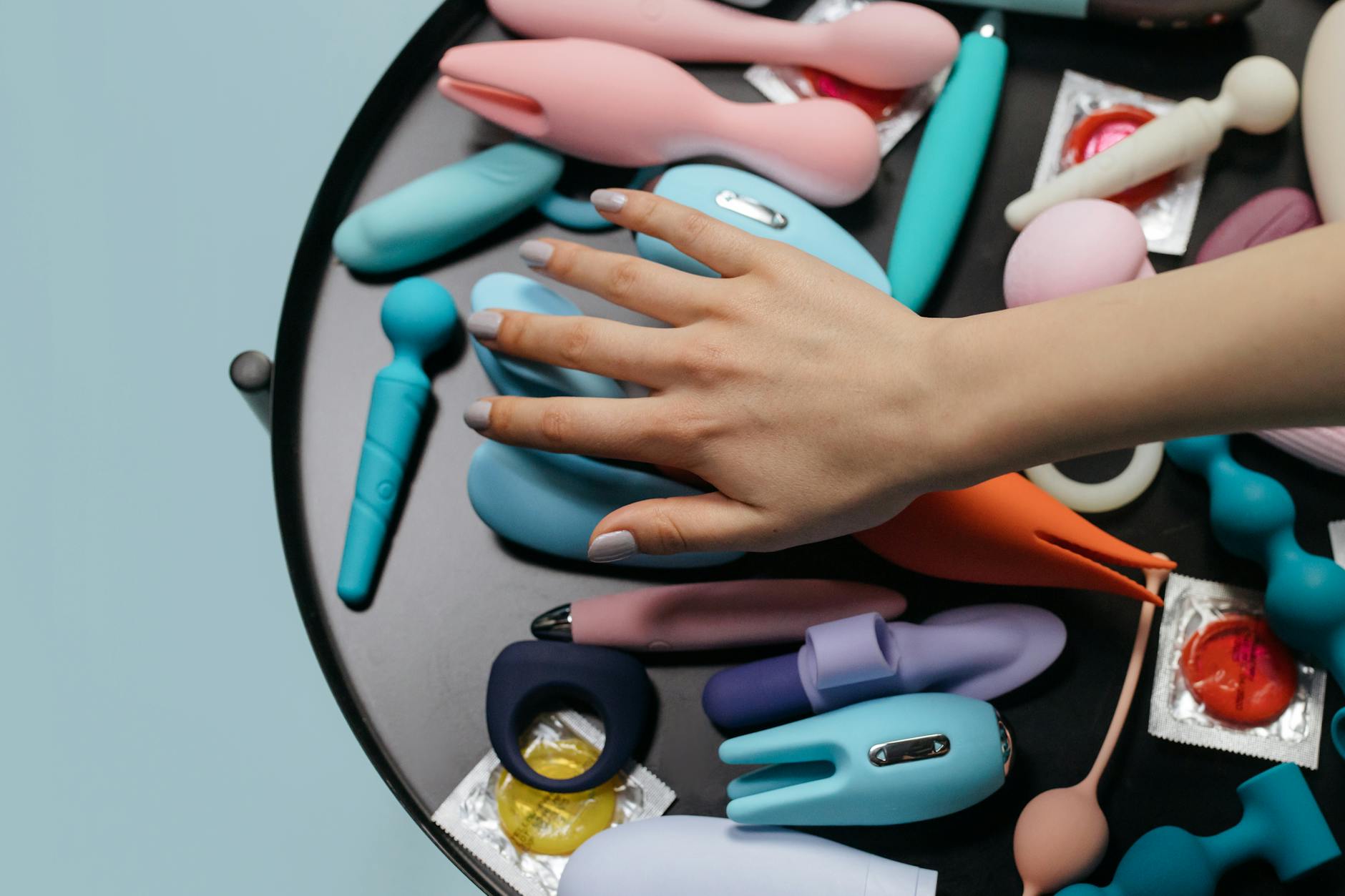
Photo by cottonbro studio on Pexels
The education piece (it matters more than you think)
Most people don't understand the difference between what a clitoral vibrator does and what a partner does. They think it's direct competition. It's not.
A vibrator stimulates nerve endings on the surface. A partner's touch, presence, kiss, and attention activate something deeper. Arousal, intimacy, connection. You can't get that from a lemon vibrator alone, no matter how good it is. What a vibrator does is amplify arousal and help your nervous system relax into sensation. But the emotional core of sex. The vulnerability. The presence. That comes from the person you're with.
When your partner understands that, the threat softens. They're not being replaced. They're being supported. You're not choosing the toy over them. You're choosing yourself, and inviting them to be part of that choice.
Talk about this directly. Not in a defensive way, but factually. "This isn't about not wanting you. This is about my body needing a different kind of stimulation to relax and let go. And when I can do that, the whole experience between us gets better because I'm more present."
Starting small (how to actually introduce it without triggering a meltdown)
Don't pull out a lemon clitoral vibrator on a night when he's already feeling vulnerable. Don't make it a surprise. Don't use it as a substitute during partnered sex the first time.
First time: you use it during foreplay while he's involved. Maybe he's touching you elsewhere. Maybe he's watching. Maybe he's holding you. The key is that it's not a solo act. You're together.
Second time: he participates. He holds it. He chooses the settings. He decides when and where.
Third time and beyond: you develop a rhythm with it. Some nights it's part of sex. Some nights it's not. It becomes a tool, not a statement.
What you're doing is proving, through repetition and presence, that the vibrator isn't replacing him. It's expanding what's possible between you.
The conversation about desire (this is where the real work happens)
If your partner feels threatened by toys, there's often a deeper conversation waiting underneath. Sometimes it's about feeling like they're not desired enough. Sometimes it's about their own insecurity about their sexuality. Sometimes it's about control or fear of losing you.
You can't fix this by hiding the vibrator. You can only fix it by addressing what it's really about.
Try: "I've noticed you seem upset about this, and I don't think it's really about the vibrator. What are you actually worried about?" Then listen. Don't defend. Don't explain. Just listen to what's underneath the resistance.
Maybe they say: "I feel like I'm not enough." That's the conversation to have. Not about the vibrator. About what would help them feel secure again. Maybe it's more non-sexual touch. Maybe it's more verbal affirmation. Maybe it's actual therapy to work through their own stuff. But you won't get there until you name it.
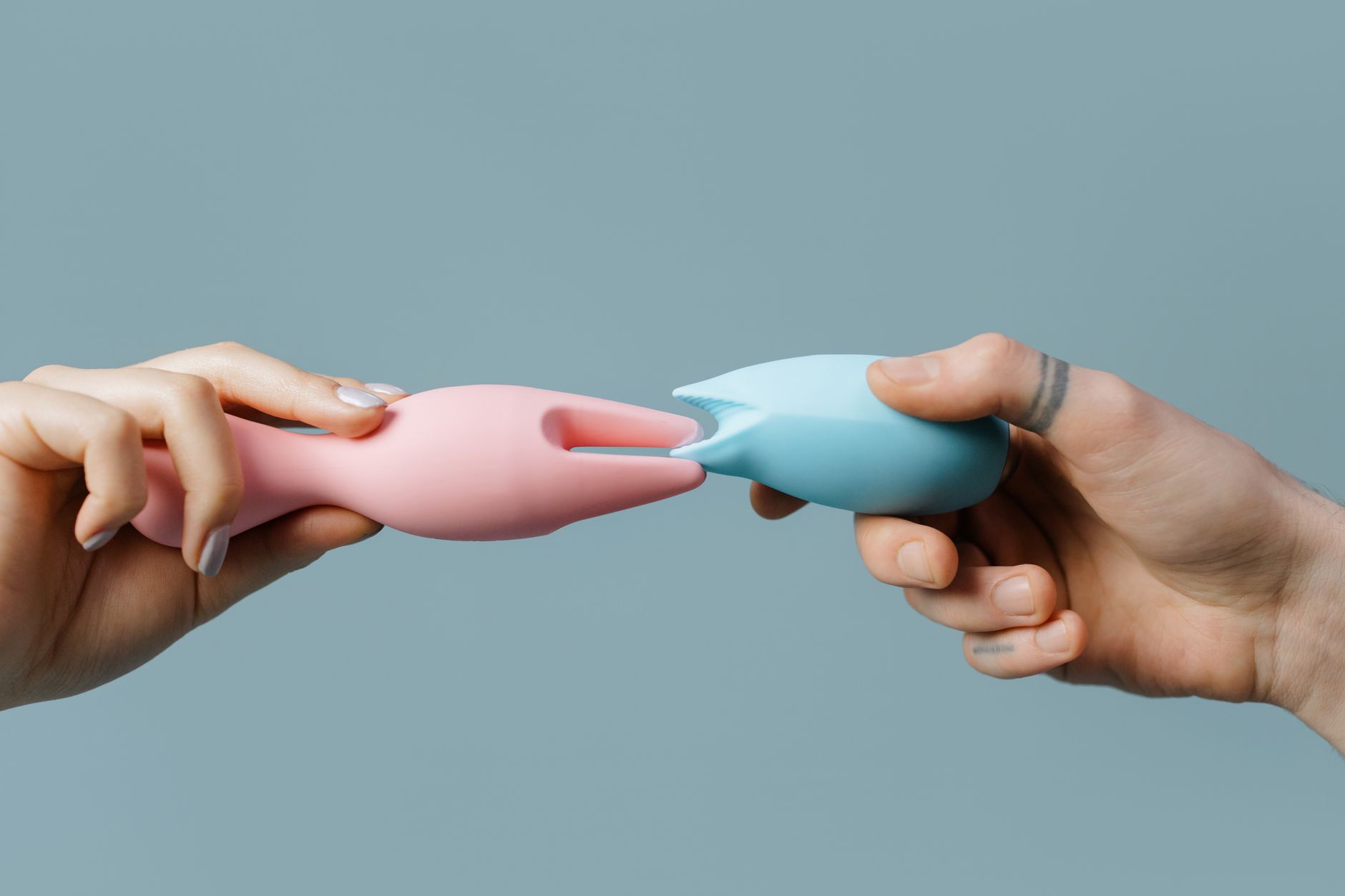
Photo by cottonbro studio on Pexels
When to stand firm (because sometimes you have to)
Here's what I tell my clients: your pleasure matters. It matters as much as his feelings. Not more. But as much.
If your partner is so threatened by the idea of you experiencing pleasure independently that they won't let you explore it at all, that's a red flag. Not about the vibrator. About the relationship. Because a partner who needs to control your sexuality is a partner who doesn't fully respect you.
You can be compassionate about their insecurity and still hold a boundary. Something like: "I hear that this scares you. And I'm willing to talk about it and go slow. But I'm also going to explore my own body and my own pleasure. I'm not asking for permission. I'm telling you what I'm going to do, and I'm hoping you'll come with me on that journey."
Then follow through. Use lemon vibrators. Use them alone sometimes. Use them with your partner. Use them however feels right. And watch how his response shifts when he realizes this isn't negotiable, but you're still choosing him.
People often relax when the thing they're resisting stops being hidden. When it's normal. When it's not a threat because it's not a secret.
How lemon vibrators specifically help this dynamic
Clitoral vibrators like the Lem are great for this particular conversation because they're not penetrative. They're not mimicking what a partner does. They're doing something completely different. A suction-style vibrator creates a sensation that a finger or penis simply can't replicate. That makes it easier to frame as: "This isn't replacing what you do. This is its own thing."
That distinction, more than you might think, helps partners relax. Because it's genuinely not competition. It's not an upgrade. It's a different experience entirely.
What happens after (the actual payoff)
When you move through this work. When you have the conversation, reframe the narrative, invite your partner in, and use the vibrator as a tool for deeper intimacy instead of a wedge between you. Something shifts.
Most couples report that sex gets better. Not just because the vibrator feels good. But because there's been real communication about fear and desire and what's actually needed. And that communication is the entire foundation of good sex.
Your partner might even end up loving the vibrator more than you do. Some do. And that's fine. What matters is that it goes from being a threat to being part of your shared landscape.
People also ask
Can a vibrator actually replace what a partner does during sex?
No. A vibrator creates sensation. A partner creates presence, vulnerability, and connection. You can't replace that with any toy, no matter how good it is. What a vibrator does is help you relax into your own pleasure, which usually makes partnered sex deeper and more connected, not less.
What if my partner refuses to discuss it at all?
That's a boundary issue, not a vibrator issue. If your partner won't talk about your pleasure or their feelings about sex, a conversation with a couples therapist can help create safety for that discussion. Sometimes a neutral third party makes it possible to be honest in ways you can't alone.
Is it normal for partners to feel insecure about toys?
Completely normal. Sex is often the last place people feel fully secure in relationships. A vibrator doesn't create insecurity. It reveals it. That's actually useful information if you're willing to do the work on what's underneath.
How do I know if my partner's reaction is just adjustment versus an actual dealbreaker?
Adjustment looks like: initial discomfort that softens with time, communication, and exposure. A partner willing to talk about it, even if they're scared. Dealbreaker looks like: refusal to discuss it, controlling behavior, shaming you for wanting pleasure. If you're seeing dealbreaker behavior, that's worth examining with a therapist individually or together.
Should I hide the vibrator if my partner is still uncomfortable?
Not long-term. Short-term softening of approach, yes. Long-term hiding of your sexuality, no. Your pleasure belongs to you. The conversation might need to evolve. Professional support might help. But your right to explore your own body isn't negotiable.
Can I use lemon vibrators during partnered sex if my partner is still nervous about it?
Yes, and honestly it's sometimes the best way to normalize it. During foreplay where he's also touching you. During penetration where the vibrator adds something he can't provide. This shows him in real time that it's complementary, not competitive. Most partners get much more comfortable once they experience how it actually works instead of just imagining it.
The bottom line
Your partner's insecurity about lemon vibrators isn't about the vibrator. It's about fear. Fear of failing you, losing you, or not being enough. That fear is real and worth honoring. But your pleasure is real too, and worth protecting.
The solution isn't hiding who you are. It's inviting your partner into a deeper conversation about what sex actually means to both of you. Sometimes that leads to him holding the vibrator and discovering he loves controlling your pleasure. Sometimes it leads to actual healing around insecurity. Sometimes it leads to the realization that you want different things, and that's important information.
But none of that happens if the vibrator stays in the drawer and the conversation never happens. Start talking. Go slow. Invite him in. And trust that your pleasure matters.