Here's what the research actually says
Let's cut straight to it. No, lemon vibrators do not cause permanent numbness. That's the reassuring part. But there's a real conversation to have about temporary desensitization, how it happens, and what separates normal adaptation from actual damage.
The myth about vibrators causing numbness has circled around long enough that plenty of people believe it as gospel. It's worth understanding where the worry comes from and what's actually true.
The real mechanism behind temporary numbness
When you use a lemon clitoral vibrator or any high-intensity stimulation tool repeatedly, your nerve endings can become temporarily less responsive. This is called sensory adaptation, and it's completely normal. Your skin and nerves don't stay equally alert to the same stimulus forever. That's why a shirt stops feeling like anything after you've worn it for an hour.
With clitoral vibrators, the same principle applies. If you use the same intensity, pattern, and technique every single day for months, you might notice that you need longer warm-up time or higher intensity to reach orgasm. That's adaptation. It's not damage.
Here's the thing though. Most people don't notice this because they naturally vary their routine. They skip days. They switch intensities. They explore different patterns. That built-in variation is your body's natural protection against sustained desensitization.
Photo by cottonbro studio on Pexels
Why lemon vibrators are actually safer than you think
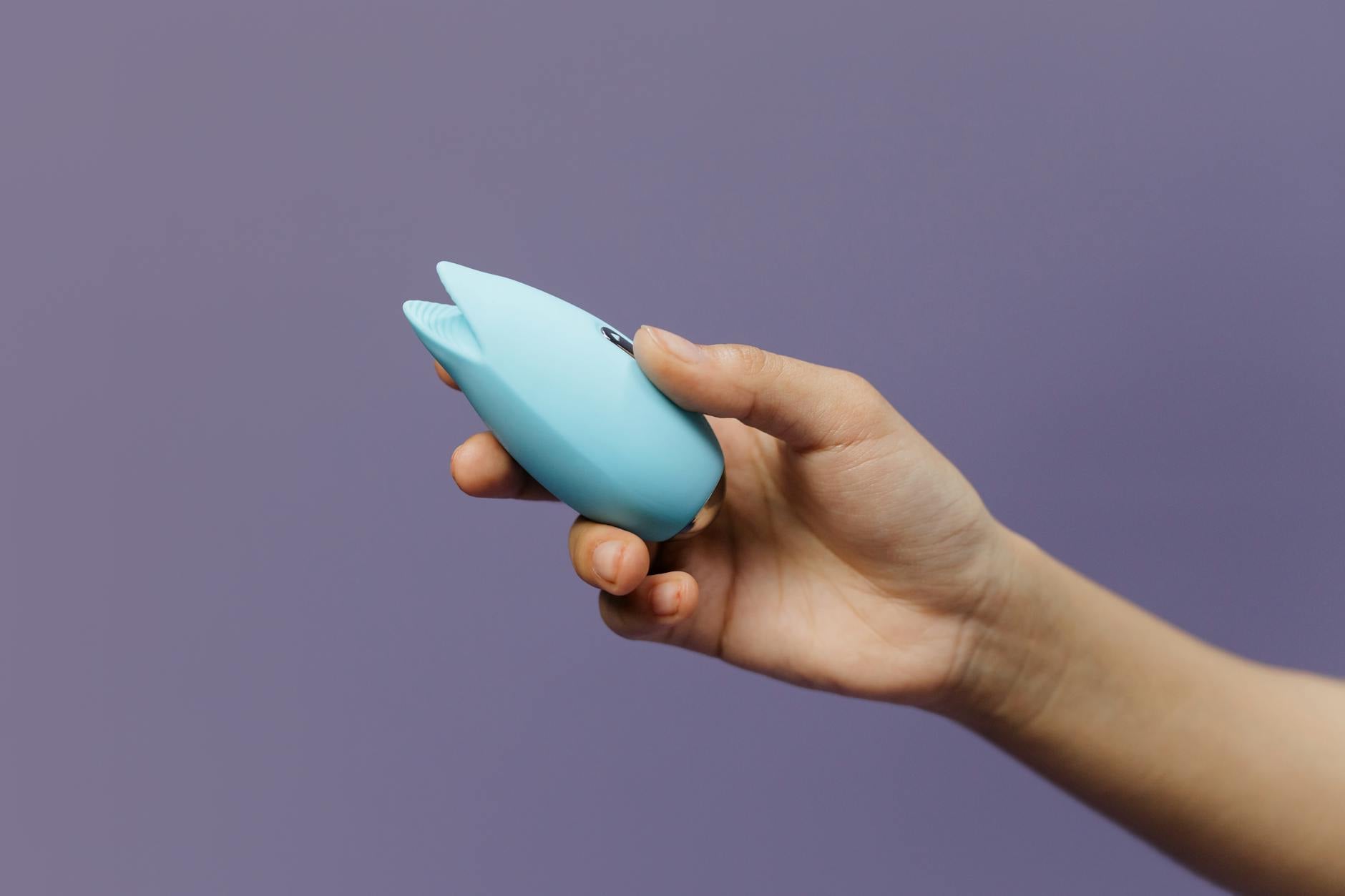
The design of lemon clitoral vibrators like the Lem is actually engineered to reduce desensitization risk. Unlike traditional buzzing vibrators that use rapid, shallow oscillation at high frequency, air-suction technology works differently. It stimulates through gentle pulses of suction rather than constant high-frequency vibration. That means less sustained friction on the same nerve endings and less overall fatigue on the tissue.
If you've read about numbness risk with bullet vibrators or wand vibrators used at maximum intensity for hours, that's a different animal. Those create more direct, prolonged stimulation on a concentrated area. Lemon vibrators distribute stimulation more gently, which is partly why users report lemon vibrators work better for sensitive clits without the same risk of overstimulation.
The bottom line: the tool matters. Your usage pattern matters more.
How to use lemon vibrators without worry
Four things will keep you safe from any real desensitization risk.
First, vary your routine. Don't use the same pattern, the same intensity, and the same approach every single session. Rotate between different settings on your lemon vibrator. Skip a day here and there. Your nervous system will thank you. If you normally use pattern 4, try pattern 2 for a few sessions. This keeps your nerve endings from becoming predictable to the stimulus.
Second, start with lower intensity. Most people benefit from beginning at intensity 1 or 2 and building up. There's no prize for starting at 5. Lower intensity also means less sustained pressure, which means less adaptation risk. You'll often find that what feels gentle at first becomes surprisingly effective over time.
Third, give yourself recovery time. You don't need to use a clitoral vibrator every day. Many people get better results from 3-4 sessions per week. That space between sessions allows your nerve endings to reset and maintain full sensitivity. It's also why how to use lemon vibrators for intense orgasms often emphasizes quality over frequency.
Fourth, pay attention to feedback. If you notice you need longer warm-up or higher intensity to feel pleasure than you did a few months ago, that's your signal to scale back for a week or two. Take a break, rotate to a different toy, or drop your usual intensity down by 2 levels. Your sensitivity will bounce back within a week or two.
When numbness is actually a sign of something else
If you experience persistent numbness that doesn't improve with reduced use or lower intensity, the vibrator probably isn't the culprit. Several other things cause temporary or lasting numbness in the genital area.
Nerve compression from certain positions or pressure during longer sessions can create localized numbness that feels like the toy caused it. Changing your position or taking breaks usually fixes this within hours.
Hormonal shifts, particularly around your cycle or during menopause, genuinely change sensation. The tissues respond differently. This isn't numbness from the tool. It's your body's natural response to fluctuating estrogen.
Some medications, including certain antidepressants, can blunt sensation overall. If you're on a new prescription and notice this, it's worth discussing with your prescriber. The medication is the variable, not your vibrator.
Neuropathy from diabetes or other conditions creates real numbness independent of any toy. This is worth exploring with a healthcare provider.
The point: if you're following the usage guidelines above and still experiencing persistent numbness after a week off, it's worth checking in with a doctor rather than blaming the tool.
The research on long-term vibrator use
Studies on long-term vibrator use are surprisingly limited, but what exists is reassuring. The most cited research comes from a 2009 study by Herbenick and colleagues, which surveyed over 2,000 women about vibrator use and health outcomes. They found no correlation between vibrator use and sexual dysfunction, numbness, or reduced sensation. Users who incorporated vibrators into their routine reported higher overall sexual satisfaction and more frequent orgasms.
More recent evidence on air-suction technology specifically is limited because these designs are relatively newer. But the principle is sound. Lower-frequency, gentler stimulation creates less risk of adaptation than high-frequency buzzing.
What research does show: people who use vibrators as their only method of stimulation for years sometimes report needing the vibrator to reach orgasm. That's not numbness. That's conditioning. Your body gets very efficient at what you practice. It's reversible too. Switching back to manual stimulation or a different vibrator for a few months usually restores the original response pattern.
Common myths about lemon vibrators and numbness
Myth: If you use a vibrator, you'll never feel pleasure without one again. False. Sensation doesn't work that way. Your body doesn't forget how to respond to manual stimulation. If anything, vibrators train your body to recognize its own capacity for pleasure, which often improves manual sessions too.
Myth: Stronger vibrators cause more numbness than gentler ones. Partially true but incomplete. Intensity matters less than duration and frequency. Using a gentle vibrator for two hours straight does more damage than using a strong one for ten minutes.
Myth: Numbness from vibrators is permanent. Completely false. Sensory adaptation is temporary. Even people who use vibrators intensively find that a break of a week or two restores baseline sensation completely.
Myth: You shouldn't use vibrators if you're younger because you'll damage sensitivity for later. No evidence supports this. Using vibrators at any age is safe as long as you follow basic guidelines. Your pleasure now doesn't diminish your capacity for pleasure later.
FAQ
How long does vibrator numbness last?
Temporary desensitization from vibrator use typically resolves within three to seven days of reduced use or taking a break. Full sensitivity returns quickly once you stop the stimulus that caused adaptation. This is true for lemon vibrators and other clitoral vibrators alike.
Can you become addicted to vibrators?
No. Addiction involves physical dependence, withdrawal symptoms, and compulsion that overrides other needs. Using a vibrator regularly doesn't create these. You might prefer it to other methods, which is a preference, not addiction.
Is it bad to use the same vibrator every day?
Not if you vary your approach. Using the same lemon vibrator daily with different intensities, patterns, and durations is fine. Using the exact same intensity, pattern, and duration daily for months is when adaptation risk increases. Rotate your routine.
Does numbness get worse with different types of vibrators?
Some designs pose slightly higher adaptation risk than others. High-frequency buzzing vibrators create more sustained pressure. Lower-frequency air-suction tools like lemon clitoral vibrators create gentler, pulsing stimulation, which means less adaptation risk. Switching between different toy types is actually protective.
What's the difference between normal sensation changes and actual numbness?
Normal sensation changes involve needing a bit longer to warm up or preferring a different intensity than usual. Actual numbness is a complete absence of feeling that persists for days despite stopping vibrator use. If you're noticing the first, you're fine. Scale back intensity or frequency. If you're noticing the second, talk to a doctor.
Can lemon vibrators cause permanent damage to nerve endings?
No. The clitoris contains thousands of nerve endings distributed across a significant area. A lemon vibrator stimulates a portion of this tissue. It cannot cause permanent nerve damage through normal use. Even with aggressive overuse, the risk is temporary adaptation, not permanent injury.
The bottom line
Lemon vibrators don't cause numbness in any permanent sense. Temporary sensory adaptation is possible if you use any toy the same way every single day without variation. But that's not damage. It's your nervous system doing exactly what it's designed to do.
The easiest way to avoid even temporary adaptation is the simplest: vary what you do. Rotate intensities. Take days off. Explore different patterns. Use your lemon vibrator as one tool in a broader toolkit of pleasure, not the only tool.
Your clitoris is resilient, adaptable, and designed for pleasure. Treat it with basic respect, and it will reward you with sensation and satisfaction for decades. That's not a worry. That's the point.
If you have questions about safe vibrator use or want personalized guidance on building a pleasure routine that works for your body, reach out to our team. We're here to help.