You need external stimulation to orgasm. Not sometimes. Not with the right partner or the right vibe. Always. And here's the thing that nobody says out loud clearly enough: that's completely normal, wildly common, and nothing you need to apologize for or try to fix.
Most people with clitorises can't orgasm through penetration alone. Studies hover around 70-80%. Your nervous system is wired to respond to direct, focused touch on the external clitoris. That's not a limitation. That's your design.
But somewhere along the way, you probably got the message that something was wrong with this fact. That you should be able to come from penetration, or that wanting external touch made you less spontaneous, less connected to your partner, less something. None of that is true, and it's worth naming outright before we move forward.
Your clitoris has about 8,000 nerve endings concentrated in a tiny external button. The internal structure (the clitoral hood, the vestibules, the crura) doesn't have anywhere near that density. This isn't a design flaw. It's a feature. Your external clitoris is built for pleasure, full stop.
When you use external stimulation, you're activating those concentrated nerve pathways directly. The sensation travels fast, the response is usually reliable, and orgasm typically follows a clearer path. With penetration, you're stimulating tissue that's sensitive but not specialized for orgasm. So your body says "I'll need you to get back to the outside part, thanks."
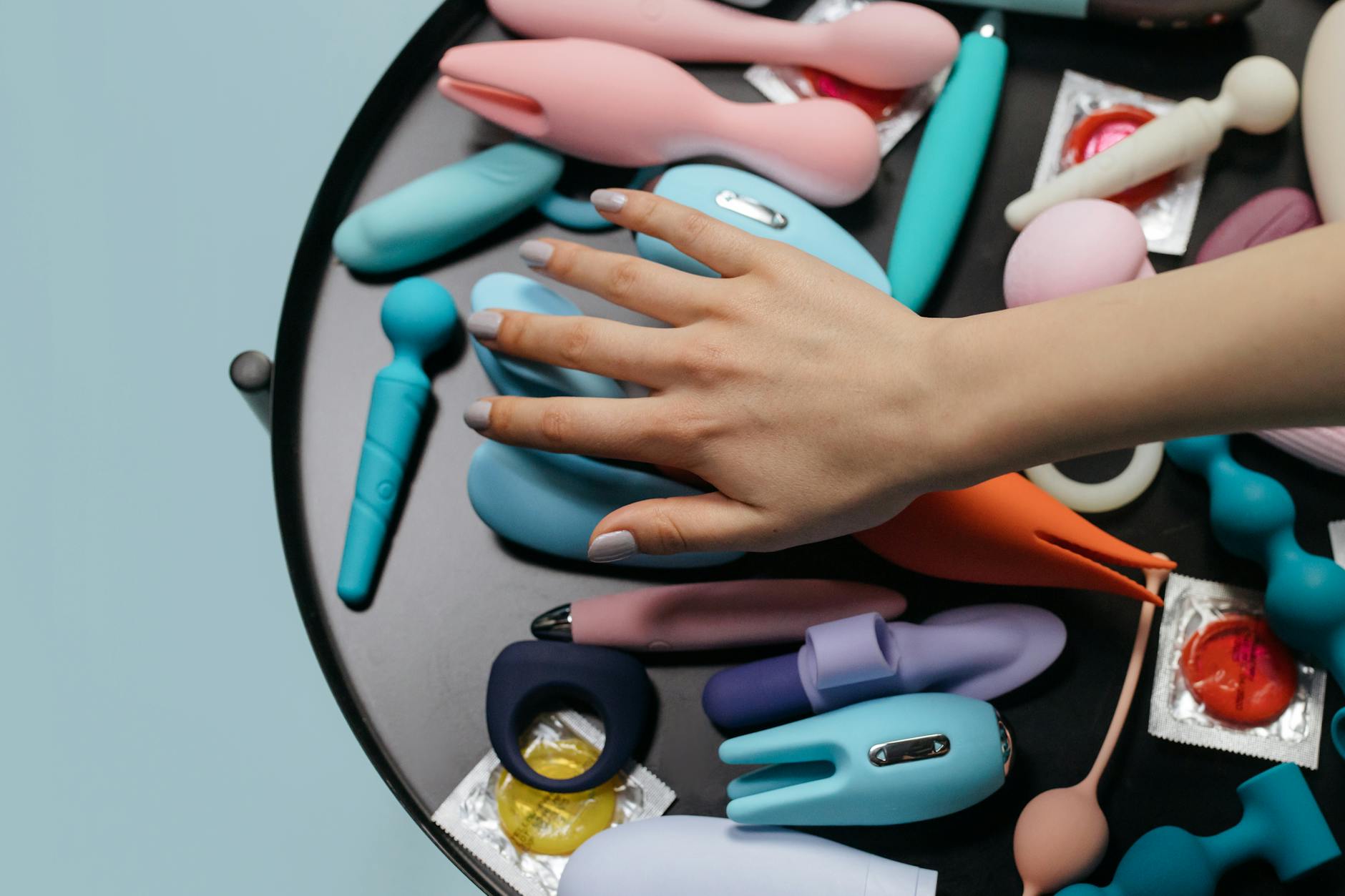
Lemon clitoral vibrators work here because they're designed for external use. They focus the sensation right where your clitoris is most responsive. No guessing, no worrying about whether you're hitting the right spot, no mental load of "am I doing this right."
Three reasons clitoral vibrators change the game when external stimulation is what works for you:
You stop performing. In partner sex, there's usually pressure (spoken or not) to be able to come from penetration. When you use a lemon vibrator with a partner, it reframes the whole interaction. You're not waiting for penetration to do something it can't. You're using a tool that actually matches your anatomy. Both of you relax.
You get consistency. Your fingers get tired. Manual stimulation varies in pressure and rhythm. A clitoral vibrator delivers exactly the same sensation for as long as you need it. No fatigue, no variation, no interruption. For people who need external stimulation, that consistency is everything.
You stay present. When you're not worrying about technique or whether you're taking too long, your brain actually engages with pleasure instead of monitoring it. That shift, alone, changes how orgasms feel.
If you're using a lemon clitoral vibrator alone, start here:
Find your position first. You need comfort and access. That might be lying on your back with a pillow under your hips, sitting reclined, or side-lying. Wherever your clitoris is accessible and your legs can relax is the right position. This matters more than you think. Tension in your legs or back eats into pleasure.
Start with the vibrator off. Get to know where it feels best when you touch it against your skin. Most people find the sweet spot slightly off to the side of the clitoral head, or right over it. Some prefer the vibrator held vertically, others horizontally. This is your to explore, no rush.
Turn on the lowest setting. Let your body adjust to the sensation. Many people jump to high intensity immediately because they think they need to. You don't. Start low, let the nerves wake up, then increase if you want more. Lemon vibrators have multiple patterns, so you can experiment without changing speed.
Budget 20-30 minutes for solo sessions, especially early on. Your nervous system needs time to build arousal. The orgasm isn't the goal here. Feeling the sensation, noticing what your body likes, staying present. The orgasm follows when it's ready.
This is where external stimulation becomes a game-changer for couple's intimacy.
First conversation: tell your partner directly that your clitoris needs external stimulation to orgasm. Not "I prefer it" or "maybe we could try." You need it. This matters because it moves you out of the territory of compromise and into the territory of basic anatomy. It's not a request. It's information about how your body works.
Second conversation: decide how lemon vibrators fit into your sex. Some couples use it during foreplay. Some use it during penetration. Some use it as the main event with penetration after. There's no right answer, but having that conversation ahead of time means nobody's surprised or embarrassed in the moment.
Third: actually use the vibrator. This is where the friction happens. Partners sometimes feel threatened by a toy, as if the toy is replacing them. It's not. When your partner isn't interested in toys, there are ways to reframe the conversation. But the most straightforward path is to use the vibrator because it's the most direct route to your pleasure, and your pleasure matters in your sex life.
Position: your partner can hold the vibrator for you, which creates a different kind of intimacy than you doing it yourself. Or you can use it while your partner penetrates you. Or your partner can be inside you while you hold it. There's no rule. Whatever makes sense for your bodies and your dynamic is right.
Orgasms take time when external stimulation is what works for you. That's just neurological reality. But sometimes that timeline feels impossible, especially if a partner is waiting or you're in a time crunch.
Here's what actually helps: leaning into the speed instead of fighting it. "I need about 15 minutes with external stimulation" is useful information. It means you can plan around it. It means a partner can settle in, can touch you somewhere else, can slow their own experience down to match yours. It means you stop trying to rush your nervous system.
The vibration patterns on lemon clitoral vibrators matter here. Some patterns build sensation faster than others. The suction-based ones are designed to wake up the clitoris quickly. The traditional vibration patterns accumulate sensation differently. If you're using a lemon vibrator and feeling like orgasm is taking forever, it's worth trying different patterns to see what your body responds to fastest. But "fastest" should still be measured in 10-20 minutes, not 2-3.
Once you accept that your clitoris needs external stimulation and you stop fighting that reality, everything else gets easier. You stop trying lube that doesn't work. You stop worrying about whether you're normal. You stop feeling like you need permission to pleasure yourself.
You also build better sex with partners because you're not carrying shame or confusion into the bedroom. You know what works. You communicate it. You use tools that actually deliver it. That's not settling. That's self-awareness.
No. Vibration doesn't desensitize nerve tissue the way friction does. Your clitoris won't stop responding to external stimulation because you use a vibrator regularly. If anything, many people find that consistent, pleasurable stimulation keeps the nerves more responsive, not less. That said, if you notice your clitoris feeling numb after a session, that's usually temporary and more related to overuse than to the tool itself.
Try indirect stimulation. Stimulate over your underwear or the clitoral hood instead of directly on the head. Many lemon clitoral vibrators work well through light fabric. You can also use lower intensities, gentler patterns, or hold the vibrator slightly off-center. Your clitoris being highly sensitive doesn't mean external stimulation is off-limits. It means you need to adjust the approach.
Completely. Being with a partner changes your nervous system state. You might feel more relaxed, more aroused, or your partner's touch might be waking up your clitoris in a way that solo touch doesn't. If this describes you, using a lemon vibrator solo might help you close that gap. But if solo orgasms never happen and that's fine with you, that's also normal. Sex doesn't have to look the same every time.
No. But here's the shift that helps: don't ask permission. Introduce it as part of your sex. "I want to use a vibrator during sex because external stimulation is how I orgasm" frames it as information, not a request. That subtle change usually reduces partner resistance because you're not asking them to approve of your anatomy. You're telling them how it works.
Dependence would mean you can't orgasm without it. That's not how vibrators work. What does happen is that you get very familiar with what sensation produces orgasms, so using it becomes reliable. That's not dependence. That's knowing yourself. You can still orgasm other ways if you want to. The vibrator just removes the guesswork.
Your clitoris is not a problem to solve. It's a blueprint for your pleasure. When you work with that blueprint instead of against it, everything shifts. Lemon clitoral vibrators exist because external stimulation is how most people with clitorises actually orgasm. You're not unusual. You're just being honest about what works.
If you're still figuring out how to talk to a partner about this, or if you want to explore what external stimulation feels like with the right tool, reach out. That's what we're here for.