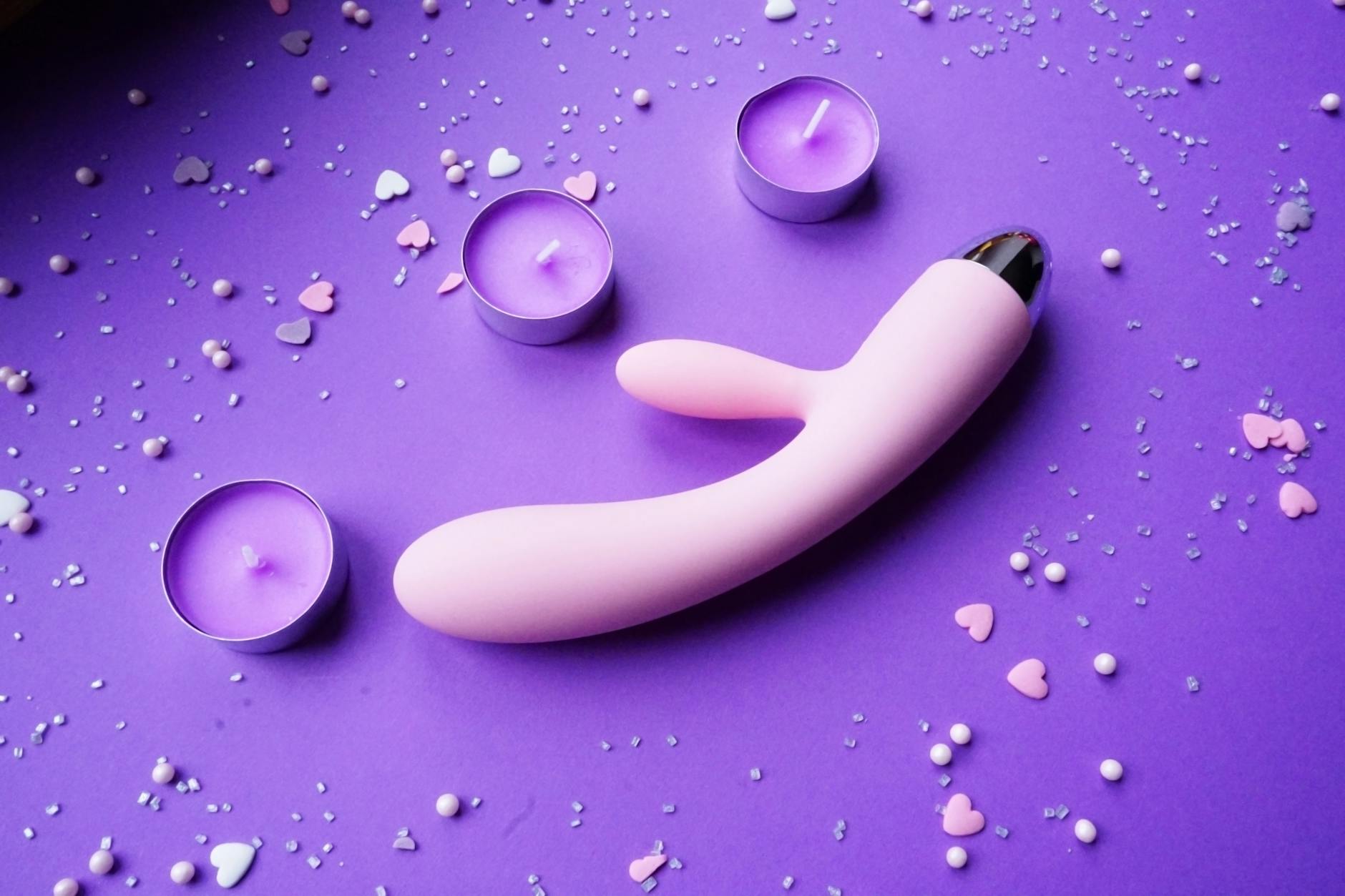
How to Use Lemon Vibrators After Menopause
Let's be real: menopause gets a terrible reputation when it comes to sex. The narrative is usually either catastrophic or aggressively cheerful, and neither tells you what you actually need to know. Tissue does change after menopause. Arousal takes longer. But here's what nobody tells you: some people have the best orgasms of their entire lives after fifty.
The difference between suffering through menopause and thriving through it often comes down to one thing: using the right tools and understanding your body's new setup. Lemon vibrators, especially designs like the Lem that use gentle suction, can be game-changing in this phase of life.
I've worked with hundreds of couples navigating this transition, and the pattern is always the same: women who understand what's happening and adjust accordingly don't just survive menopause sexually. They often find more pleasure, more freedom, and more confidence than they had in their thirties.
What Actually Happens to Your Body After Menopause
Estrogen doesn't just disappear overnight. But when it drops significantly, the tissues in and around your vulva become thinner and less elastic. The vaginal opening gets less stretchy. Lubrication production slows down. The pelvic floor loses some of its collagen support.
Here's the part people miss: none of this affects your capacity for orgasm. Your clitoris has eight thousand nerve endings, and menopause doesn't touch them. What changes is the pathway to pleasure, not the destination.
Many of my clients actually report that their orgasms become more focused after menopause. Because the tissue around the clitoris shifts slightly, stimulation can feel more concentrated. That concentration can lead to more intense, more satisfying sensations. Some describe them as deeper or more full-body.
Why Lemon Vibrators Are Particularly Good for This Phase
There are a lot of vibrators on the market. Most rely on friction. Friction works fine when tissue is plump and well-lubricated. After menopause, friction can feel abrasive or even painful, especially if you're using a toy that's rigid or has a small contact area.
Lemon clitoral vibrators like the Lem use a different mechanism: gentle suction combined with soft pulsing. This approach has several advantages for post-menopausal bodies:
Gentler on thinner tissue. Suction distributes pressure over a wider surface area rather than concentrating it in one spot. This means you get intense stimulation without the abrading sensation that friction can cause.
Easier to control intensity. With a lemon sucker vibrator, you can start on a lower pattern and build up gradually. There's less risk of overstimulation or irritation because the stimulation itself is inherently gentler.
Better clitoral engagement. Because suction actually draws the clitoral tissue into the cup slightly, you get activation of more of the clitoris, not just the external part you can see. This fuller engagement often leads to more complete, satisfying orgasms.
When you're shopping for lemon vibrators after menopause, look for one that starts with softer patterns and allows you to control the intensity yourself. You don't want something that forces you into high intensity right out of the box.
The Actual Adjustment Period: What to Expect
Honestly, the first time you use a lemon vibrator after menopause can feel strange. Your body isn't used to the sensation. It doesn't hurt, usually, but it's different enough that your brain sometimes goes "What is this?" instead of "Yes, more of this."
Give yourself three or four uses before you decide if it's working for you. Real pleasure takes time to build when you're relearning your body. Most people find that by the fourth or fifth time, the sensation clicks into place and starts feeling genuinely good.
Start with the toy unplugged, just to get used to the shape and weight. Then try it on the lowest pattern, without any pressure. Let it sit lightly against your clitoris. The sensation should feel gentle and pulsing, not jarring.
Build up from there. Once you're comfortable with pattern one, try pattern two. You might find that you never go higher than three or four. That's completely normal and actually ideal. Pleasure doesn't equal intensity.
Lubrication: Not a Sign of Failure, a Tool That Works
After menopause, natural lubrication happens, but usually slower and in smaller amounts. Adding a water-based lubricant is not admitting defeat. It's being smart.
Water-based lube helps in two ways: it makes suction work more effectively (creating a better seal between the toy and your skin), and it reduces any friction or drag sensation that might feel uncomfortable. Apply it generously around and over the clitoris before you start.
Do not use silicone-based lubricants with silicone toys, including lemon vibrators. Silicone lube breaks down silicone toys over time. Water-based is your friend here.
Reapply as you go if you need to. Lubrication isn't a one-time thing.
The Communication Conversation, If You Have a Partner
If you're in a relationship, menopause can actually be an opportunity to completely reinvent what sex looks like between you and your partner. But only if you separate the conversation about your body from the conversation about your relationship.
"My tissue is changing and I need to use lube and different tools" is a fact. "I want us to connect differently" is a desire. Both can be true. But if you bundle them together into one conversation, you end up in a weird place where your partner is confused about whether this is a problem they should fix or a problem with them.
Tell them clearly: "Here's what's happening physically with my body. Here's what I need to feel good. I want to explore this with you." Then show them. Use your lemon vibrator in front of them. Let them learn what makes you respond. Ask them to participate if you want them to.
Many couples find that this phase actually deepens their intimacy because it requires vulnerability and real communication. The alternative (suffering in silence or just giving up on sex) damages relationships far more than honest conversation ever does.
When Pleasure Doesn't Return and What to Do
Most of the time, pleasure is accessible after menopause. It just looks different. Sometimes, though, you'll do all of this and still feel nothing. Numbness, absence of sensation, pain during sex, or complete lack of desire.
That's the moment to see a doctor. Specifically, a menopause specialist or a gynecologist trained in genitourinary syndrome of menopause (GSM). This is a real condition, it's treatable, and topical estrogen cream often helps within two to three weeks.
If desire has disappeared entirely (not just during sex, but generally), low testosterone might be part of it. Testosterone therapy is available and is, for many people, completely transformative. It's not just for men.
There's also the emotional piece. Menopause often arrives with other big life changes. Grief, relationship stress, identity shifts, kids leaving home, career changes. Sometimes what feels like "I've lost my sexuality" is actually "I'm processing something much bigger." Talk therapy alongside whatever physical interventions you're trying can make a real difference.
The Pelvic Floor Piece That Almost Nobody Mentions
As estrogen drops, your pelvic floor actually becomes more likely to hold tension. That's counterintuitive, but it's real. A tight pelvic floor makes orgasms harder to achieve, makes penetration uncomfortable, and sometimes makes stimulation feel irritating rather than pleasurable.
Learning to deliberately relax your pelvic floor is one of the most underrated skill in post-menopausal sexuality. Here's the simplest way to practice: lie down, put one hand on your lower belly and one on your pelvic floor. As you breathe in, consciously soften the pelvic floor muscles. Let them release. As you breathe out, keep that relaxation going.
Do this for five minutes, a few times a week. It sounds basic, but it genuinely changes how stimulation feels. Combined with a gentle lemon vibrator and patience, it's often enough to bring pleasure back into focus.
The Myth: Menopause Means the End of Good Sex
It doesn't. I've worked with couples where menopause actually reignited their sex life because it forced a reset. All the assumptions about what sex should look like went away. They got to rebuild it from scratch, with more honesty and less performance anxiety.
Your best orgasms might be ahead of you, not behind you. The tools are there. The knowledge is there. Lemon vibrators are designed with this phase of life in mind. What you need is permission to take your time, adjust as you learn, and trust that pleasure is possible even as your body changes.
FAQ: Your Questions About Lemon Vibrators After Menopause
Can I use a lemon vibrator every day after menopause?
Yes, if it feels good. Daily use won't harm your tissue. If anything, consistent gentle stimulation can help maintain pelvic blood flow and keep sensation sharp. Some people use them daily, some a few times a week. Listen to your body. If you notice irritation, dial back the frequency.
Do I need more lube as I get older?
Generally yes. Post-menopausal bodies produce less natural lubrication, so external lube becomes more essential. But "more lube" doesn't mean you're broken. It means you're using the right tool for the job. Water-based lubricant is a practical aid, not a sign that something is wrong with you.
Will using a lemon vibrator cause numbness?
No. Clitoral tissue doesn't desensitize from regular lemon vibrator use. The research on vibrator-induced numbness is clear: numbness isn't caused by vibrators themselves. What can happen is that you find higher intensity less satisfying over time, which just means you can dial it back.
How do I know if menopause is actually affecting my sex drive, or if it's something else?
Roughly: if your desire disappeared around the time menopause started, menopause is likely part of it. But menopause doesn't exist in a vacuum. Relationship stress, work burnout, grief, depression, medication side effects, sleep deprivation. These all suppress desire too. Usually it's a combination. Talk to someone (a therapist, your doctor, both) about the whole picture, not just the hormones.
Is it normal for orgasms to feel different after menopause?
Completely normal. They might feel more localized. They might take longer to build. They might be less intense in some ways and more intense in others. Different doesn't mean worse. Most people adapt within a few months and end up preferring the new sensation.
What if my partner is uncomfortable with me using a lemon vibrator after menopause?
That's worth a separate conversation. Sometimes partners worry that toys mean they're not enough, or they feel like they should "fix" menopause for you. The truth is, partnered sex and lemon vibrators work beautifully together when both people understand that the toy is enhancing your shared experience, not replacing them. Invite them in. Show them how it works. Let them participate if they want to.
The Real Bottom Line
Menopause is not the end of your sexual life. It's a recalibration. Your body is changing, which means your approach to pleasure needs to change. That's not a loss. It's an opportunity to learn yourself differently, to be more intentional, and often to experience pleasure that's more satisfying than what came before.
Lemon vibrators are built for this. Start slow, use lubrication, give yourself time to adjust, and don't hesitate to bring in professional support (medical, therapeutic, or both) if you need it. Your pleasure matters as much at fifty as it did at thirty. You deserve the tools and the knowledge to access it.
If you're navigating menopause and want to talk through what's working and what isn't, reach out. I'm here to help.